
Virtual Nursing 1.0: Why “Working from Home” is the New Career Power Move for Burned-Out Bedside Pros

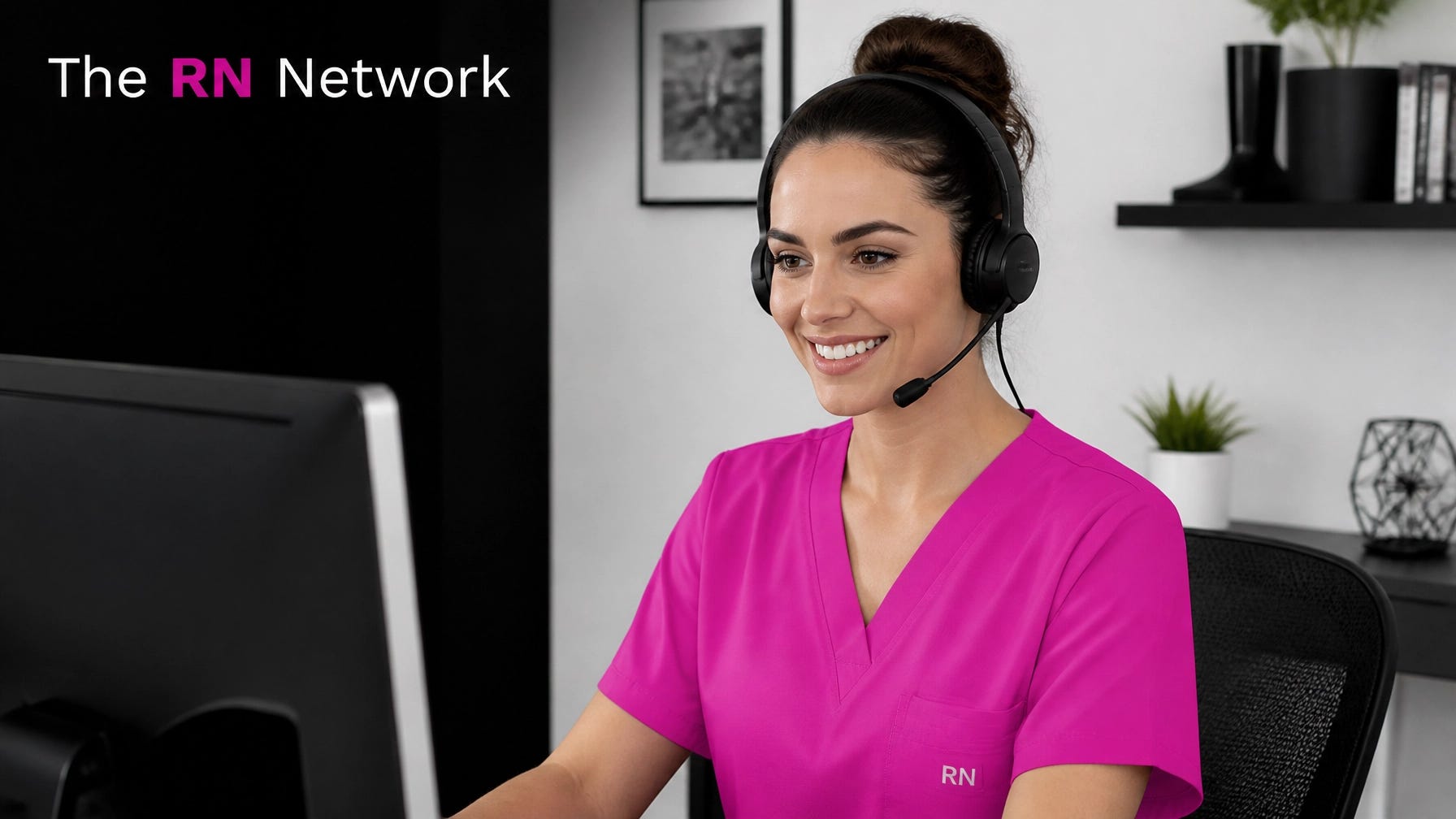
Listen close, because I’m about to pull back the curtain on the biggest shift in the nursing industry since the invention of the EHR. If you’re currently reading this while leaning against a med cart, nursing a sore back and your third cup of lukewarm cafeteria coffee, you know exactly why we’re having this conversation.
The bedside is a battlefield. Between the staffing ratios that feel more like a dare and the physical toll of 12-hour shifts that somehow always turn into 14, burnout isn’t just a buzzword: it’s an epidemic. But here’s the “insider” truth that Talent Acquisition (TA) teams aren’t always screaming from the rooftops: your clinical expertise is worth its weight in gold in the virtual space.
“Working from home” isn’t just for tech bros and marketing gurus anymore. It’s the new frontier of nursing career development. Virtual nursing 1.0 is officially here, and it is the ultimate power move for the seasoned RN who still loves the science but is done with the physical grind.
In this guide, I’m breaking down how you can trade your clunky clogs for slippers and your commute for a walk down the hallway: without losing your clinical soul or your paycheck.
The Virtual Shift: This Isn’t Just Answering Phones
When I talk to nurses about “remote work,” their first thought is usually a soul-crushing call center where they’re reading off a script. Let’s kill that myth right now. Modern virtual nursing is high-level, high-stakes, and highly clinical.
We’re talking about Remote Patient Monitoring (RPM), where you’re the air traffic controller for patients with chronic conditions. You’re watching data streams from wearables, identifying a brewing heart failure exacerbation before the patient even feels it, and intervening. You’re using that “gut feeling” you developed at the bedside, but you’re doing it through a screen.
Then there’s Virtual Triage. You are the gatekeeper. When a patient calls at 2:00 AM, it’s your clinical judgment that decides if they need an ER or an extra dose of Tylenol. That is pure, unadulterated nursing.
And don’t forget Case Management and Utilization Review. This is where the money is. You’re navigating the complex web of insurance, hospital stays, and discharge planning. You’re the advocate, the coordinator, and the expert.
If you want to see who is hiring for these roles right now, check out the RN Network Job Board. The roles are diverse, and the demand is skyrocketing.
Why Virtual Nursing is Your Sanity’s Best Friend
Let’s talk about the “Why.” I’ve spent years in the TA world, and I can tell you that the most successful candidates aren’t just looking for an “easy” job: they’re looking for a sustainable one.
1. The Physical ROI
Your body has an expiration date on the bedside. I’ve seen 25-year-old nurses with the backs of 60-year-olds. Moving to a virtual role immediately stops the clock on physical wear and tear. You aren’t lifting 300-pound patients; you’re clicking a mouse. Your future self will thank you.
2. Cognitive Load Management
At the bedside, you’re interrupted every 45 seconds. Alarms, call lights, family members, doctors: it’s a sensory nightmare. In a virtual environment, you control your space. You can actually think. You can dive deep into a patient’s history and provide the kind of comprehensive care you always wanted to give but never had the time for.
3. Geographic and Financial Freedom
The beauty of remote work is that you aren’t tied to the local hospital’s pay scale. If you live in a low-cost-of-living area but work for a major health system in California or New York, you’ve just hacked the system. Use the RN Network Salary Database to see how remote pay stacks up in your area: you might be surprised.
The Reality Check: Is Remote Work Actually Right for You?
I’m your mentor, not your cheerleader. I have to be honest: remote work isn’t for everyone. If you’re the type of nurse who thrives on the “adrenaline dump” of a Code Blue or needs the social buzz of the breakroom to survive, you might find the home office a little... quiet.
You need to be a self-starter. There is no charge nurse looking over your shoulder. You have to manage your time, troubleshoot your own tech (at least the basics), and be comfortable building rapport with patients through a camera lens. It’s a different kind of “touch,” but it’s still nursing.
The TA Insider’s Action Plan: How to Pivot
You don’t just “apply” to a remote job and hope for the best. You need a strategy. Here is your 4-step blueprint to breaking into Virtual Nursing 1.0.
Step 1: Conduct a Tech Audit
You don’t need to be a computer scientist, but you do need to be “digitally fluent.”
The Basics: Can you navigate multiple monitors? Do you know your way around Zoom, Microsoft Teams, and Slack?
The Clinical Tech: If you’ve used Epic or Cerner at the bedside, highlight that. These are the lifeblood of virtual roles. If you haven’t used them, find an online certification or a crash course.
Step 2: Overhaul Your Resume (The Keyword Game)
In the remote world, your resume is filtered by robots (ATS) before a human ever sees it. If you don’t have the right keywords, you’re invisible. Stop talking about “medication administration” and start talking about:
Clinical Assessment & Triage
Patient Education & Coaching
Case Coordination
Quality Improvement & Compliance
Technical Proficiency in EHR
I highly recommend reaching out for Professional Coaching if you aren’t sure how to translate your bedside wins into “corporate speak.”
Step 3: Secure the Compact License
If you want to work remotely, you need to be a “Compact Nurse.” The more states you can practice in, the more valuable you are to an employer. If your home state isn’t part of the NLC (Nurse Licensure Compact), look into getting licensed in several high-demand states like Texas, Florida, or California. It’s an investment in your career longevity.
Step 4: Master the Art of Networking
The best remote jobs aren’t always on the big job boards. They’re found through healthcare professional networking. Join specialized groups, talk to nurses already in the virtual space, and get the “inside track.” The RN Network was built for exactly this: connecting you with the people who know where the bodies are buried (and where the best remote jobs are hidden).
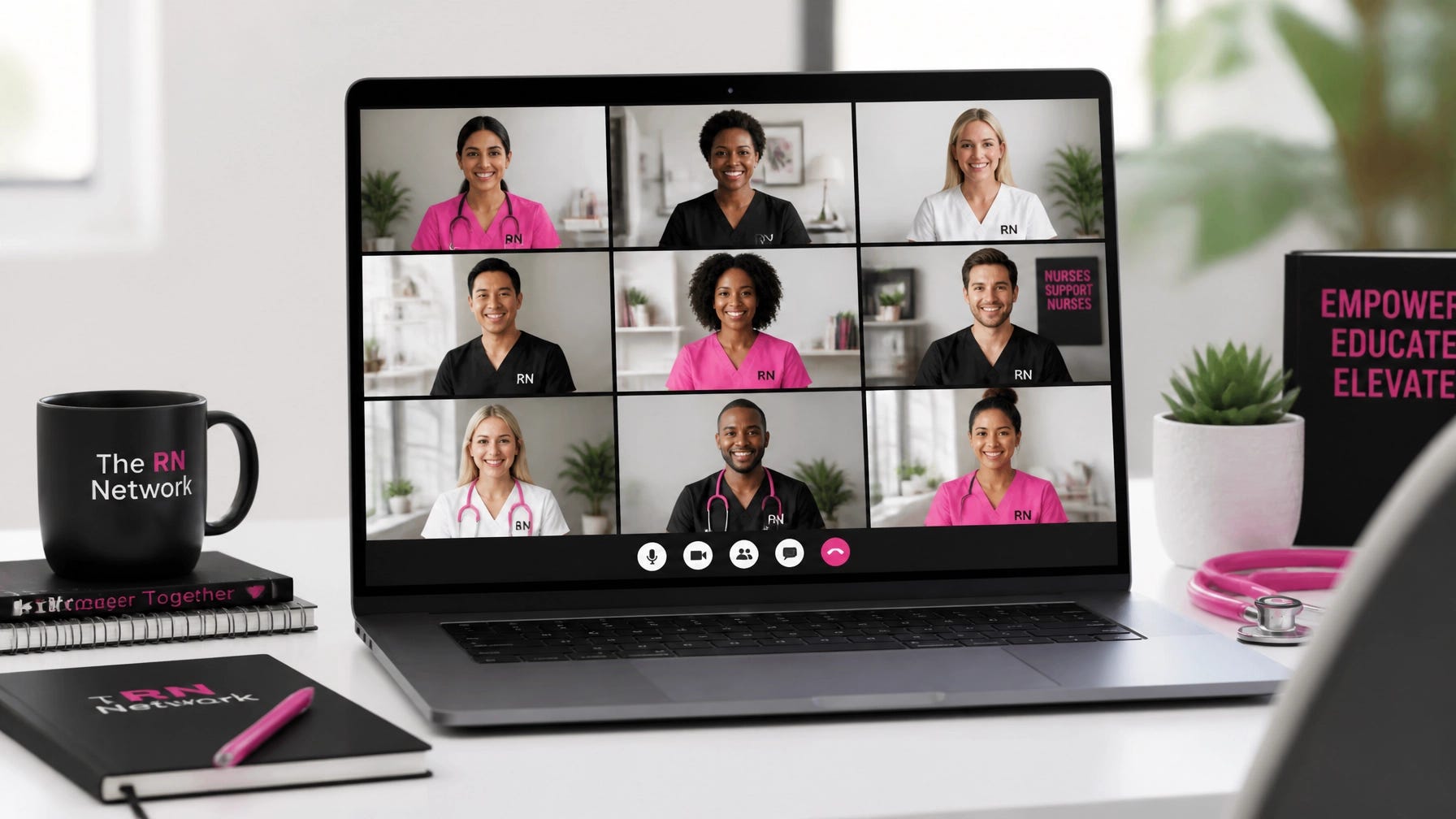
Leveling Up: Why The RN Network is Your Secret Weapon
You wouldn’t walk into a trauma room without a plan, so don’t walk into a career pivot without one either. The traditional job search is broken. You send 100 resumes into the void and get zero calls back.
At The RN Network, we’re flipping the script. We provide the resources, the community, and the direct connections to move you from “burned out” to “booked.” Whether you’re looking for talent scout services to help you find that needle-in-a-haystack remote role or you just need to vent to someone who gets it, this is your home base.
Hiring for a Virtual nurse?
Finding a nurse who can handle the tech and the patients is tough. We’ve got the best in the business. Post on The RN Network: https://rnnet.org/post-a-job.html.
Your Virtual Nursing Action Items (Do These Today!)
If you’re serious about making the jump, don’t just read this and close the tab. Take action.
Check Your Stats: Look up the average salary for “Telehealth Nurse” or “Remote Case Manager” in your area using the RN Network Salary Database. Knowledge is power.
Update Your Profile: Head over to rnnet.org and make sure your professional profile is sharp. Mention your interest in virtual/remote roles.
The “One-Hour Tech Audit”: Spend an hour today watching tutorials on the EHR you don’t know. If you’re a Cerner pro, watch an Epic overview. It makes a difference on a resume.
Connect: Find three nurses on a networking platform who are working remotely. Message them. Ask them what their biggest challenge was during the transition.
Clean Your Space: If you’re going to work from home, you need a professional setup. Clear a corner, get a decent chair, and start imagining yourself there.
The Final Word: Take the Power Back
The “old way” of nursing tells you that you have to pay your dues at the bedside until you’re too broken to enjoy your retirement. That’s a lie. Virtual Nursing 1.0 is the exit ramp you’ve been looking for.
It’s about nurse networking and realizing that your value isn’t tied to how many miles you walk in a shift. It’s tied to what you know and how you use that knowledge to keep patients safe.
You’ve spent years caring for everyone else. It’s time to take a career move that finally cares for you.
I’ll see you in the network.
Hiring for a Virtual nurse?
Get your job in front of specialized, tech-savvy clinicians today. Post on The RN Network: https://rnnet.org/post-a-job.html