
The Ultimate Guide to Navigating Online Nurse Job Applications

Gone are the days of walking into hospitals with paper resumes and a firm handshake. Today’s nursing career development happens primarily through online application portals, and mastering this digital landscape is crucial for landing your dream nursing job. Whether you’re a new graduate or an experienced RN looking for your next opportunity, understanding how to navigate online nurse job applications can make the difference between landing in the “maybe” pile or securing that interview.
Preparing Your Digital Arsenal
Before diving into the world of online applications, you need to have your digital toolkit ready. Think of this as your nursing bag – but instead of stethoscopes and gauze, you’re packing resumes, certifications, and cover letters.
Resume Optimization for Applicant Tracking Systems
Most healthcare organizations use Applicant Tracking Systems (ATS) to filter applications before human eyes ever see them. These systems scan your resume for keywords, formatting compatibility, and relevant qualifications. Create two versions of your resume: a beautifully formatted PDF for human reviewers and a plain-text version for ATS compatibility.
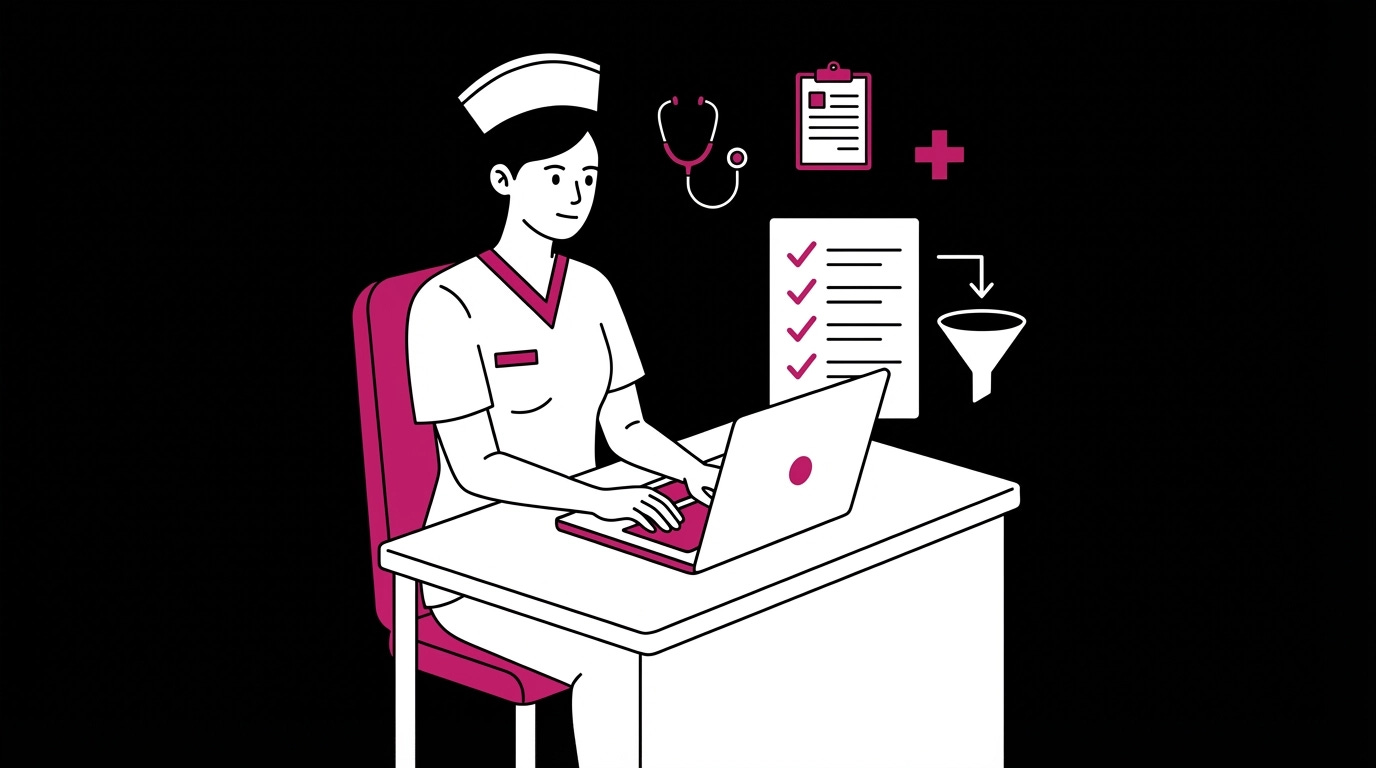
Your ATS-friendly resume should include your full legal name exactly as it appears on your nursing license, complete contact information, and clear section headers like “Education,” “Licenses and Certifications,” and “Clinical Experience.” List your nursing license information prominently, including the state of issue, license number, and expiration date.
For specialized roles like telehealth or remote nursing positions, highlight relevant experience with Electronic Health Records (EHRs), virtual communication platforms, and any triage or chart review experience. Include specific software proficiency such as Epic, Cerner, Zoom, or Microsoft Teams.
Essential Documents Checklist
Gather all necessary documents in digital format before starting any applications:
Updated resume (both formatted and plain-text versions)
Professional cover letter template
Nursing license and certification copies
Transcripts from nursing programs
Professional references contact list
Portfolio of clinical experiences or achievements
Having these documents readily available prevents the frustration of abandoning half-completed applications because you need to locate a specific certification.
Finding the Right Opportunities
Leveraging Nursing-Specific Job Boards
While general job boards like Indeed and LinkedIn are useful, nursing-specific platforms often provide better-quality opportunities and more detailed job descriptions. Platforms like IntelyCare, ANA Career Center, Career Vitals, and Nurse.com cater specifically to healthcare professionals and understand the unique requirements of nursing positions.
Set up targeted job alerts on multiple platforms using specific keywords related to your specialty, preferred shift types, and geographic preferences. This proactive approach ensures you’re among the first to apply for new opportunities.
Research Before You Apply
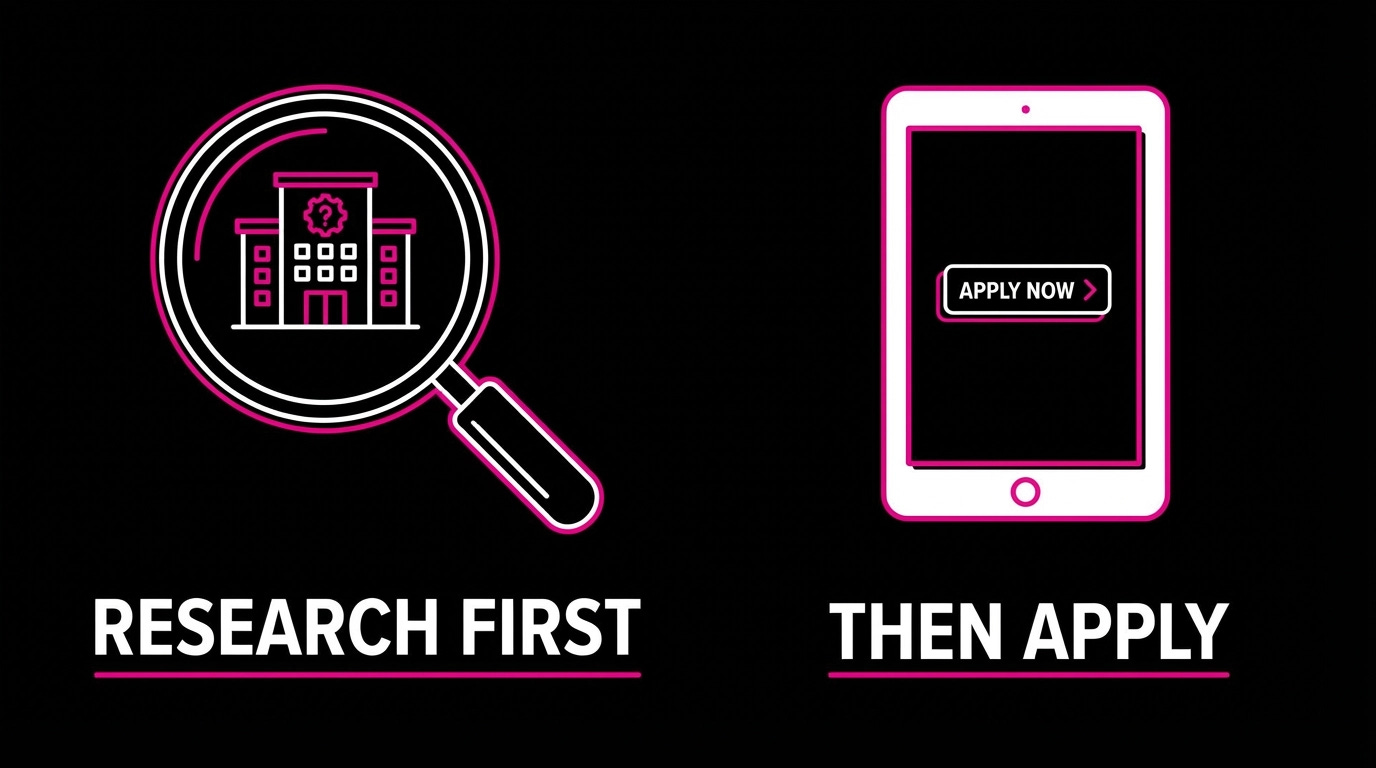
Don’t just apply to every posting that matches your basic qualifications. Research potential employers thoroughly. Review their mission statements, recent news, employee reviews on sites like Glassdoor, and their approach to nursing professional development. This research not only helps you tailor your application but also prepares you for potential interview questions.
Mastering the Application Process
Following Instructions to the Letter
This might seem obvious, but failing to follow application instructions is one of the quickest ways to eliminate yourself from consideration. Some organizations use this as an initial screening tool. If they ask for a cover letter in the body of an email with “RN Application” in the subject line, do exactly that.
Read job descriptions carefully and address each required qualification in your application. If they’re looking for ICU experience with ventilator patients, don’t just mention your ICU experience – specifically highlight your ventilator management skills.
Navigating ATS Systems
Different organizations use different ATS platforms, and each has its quirks. Before submitting your application, ensure your browser and device are compatible with their system. Some older systems only work properly with specific browsers or require certain plugins.
When uploading documents, pay attention to file size limits and accepted formats. Most systems prefer PDF files for consistency, but some may require Word documents or have specific formatting requirements.
Avoiding Common ATS Pitfalls
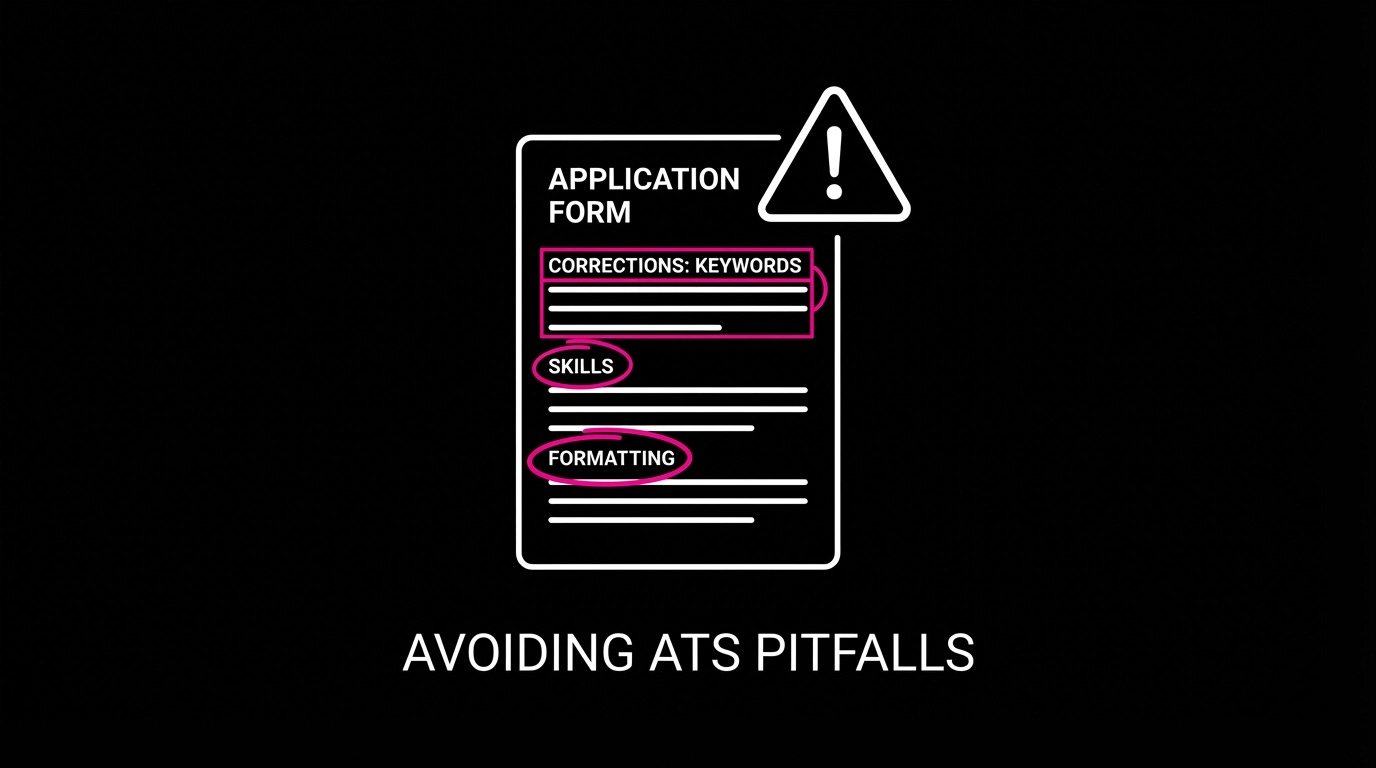
Never write “see resume” in application fields, even when information seems redundant. ATS systems need complete information in their database to properly categorize and rank your application. Take the time to fill out every required field completely.
Double-check any auto-populated information. While ATS systems can parse your resume and fill in application fields automatically, they often make errors. Review each section carefully and correct any mistakes before submitting.
Customization and Personalization
Tailoring Applications for Maximum Impact
Generic applications are easily spotted and quickly dismissed. For each position, customize your resume and cover letter to highlight the most relevant experience and skills. Use keywords from the job description naturally throughout your application materials.
If applying for a pediatric nursing position, lead with your pediatric clinical rotations, any child-related volunteer work, and relevant certifications like PALS. For critical care positions, emphasize your ICU experience, advanced certifications, and comfort with high-acuity patients.
Writing Compelling Cover Letters
While not always required, a well-crafted cover letter can set you apart, especially for competitive positions. Use this space to tell your story – why you chose nursing, what drives your passion for the specific specialty, and how your background makes you uniquely qualified for their particular role.
Keep cover letters concise but engaging. Hiring managers often skim these quickly, so make every sentence count. Open with a strong statement about your interest in the position, highlight 2-3 key qualifications in the middle paragraph, and close with enthusiasm for the opportunity to contribute to their team.
Technical Considerations and Best Practices
Timing Your Applications
Submit applications during business hours when possible, as some systems timestamp submissions and hiring managers may review applications in chronological order. Avoid submitting applications late on Fridays or over weekends unless the system has an immediate deadline.
For highly competitive positions, apply as early as possible after the posting goes live. Many organizations begin reviewing applications on a rolling basis and may fill positions before the official closing date.
Managing Multiple Applications
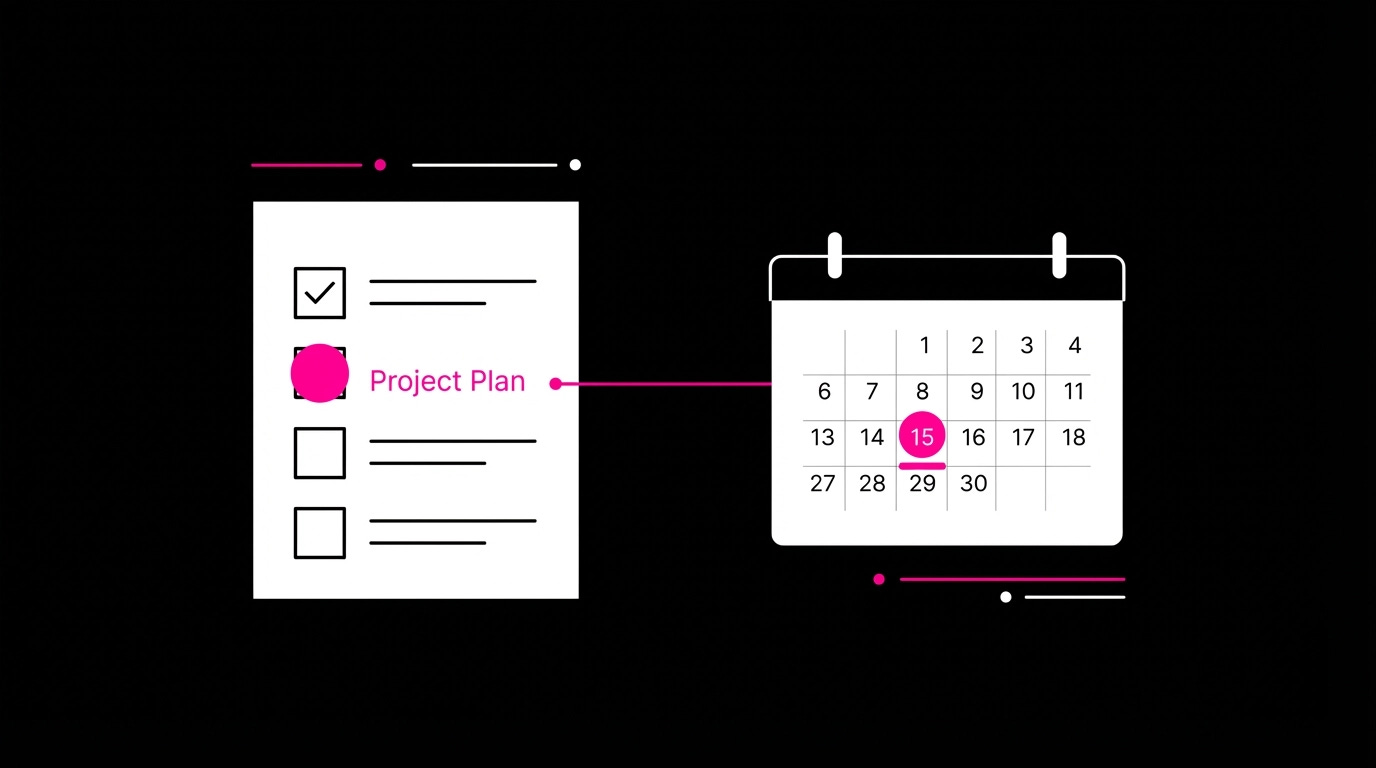
Keep detailed records of every application submitted. Create a spreadsheet tracking the position, organization, application date, required follow-up actions, and any communication received. This organization helps you provide thoughtful, specific responses when employers contact you and prevents embarrassing confusion during phone screens.
Following Up Strategically
Post-Application Communication
Unless specifically instructed otherwise, wait at least one week before following up on an application. Send a brief, professional email reiterating your interest and highlighting one key qualification that makes you an excellent fit.
Keep follow-up communications concise and value-focused. Instead of simply asking about your application status, mention something specific about the organization that reinforces your genuine interest in working there.
Staying Organized During Your Job Search
Use technology to your advantage by setting up a simple tracking system. Whether it’s a spreadsheet, a note-taking app, or a dedicated job search app, consistent organization helps you stay on top of multiple opportunities and deadlines.
Set up folders in your email for different organizations or positions, making it easy to find communication threads when employers contact you unexpectedly.
Preparing for Success Beyond the Application
Interview Readiness
Many online applications lead directly to phone screenings or video interviews. Be prepared to discuss your application materials in detail and have specific examples ready that demonstrate your qualifications and problem-solving abilities.
For remote or telehealth positions, be ready to discuss your experience with technology, self-directed work, and virtual patient communication. These roles often require different skills than traditional bedside nursing.
Moving Forward with Confidence
Successfully navigating online nurse job applications requires preparation, attention to detail, and persistence. While the digital application process might feel impersonal compared to traditional networking, it opens doors to opportunities across geographic boundaries and specialized fields that might not have been accessible otherwise.
Remember that each application is a learning opportunity. Pay attention to which approaches generate responses and which don’t, and adjust your strategy accordingly. The time invested in mastering online applications will pay dividends throughout your nursing career as you advance into leadership roles, specialized positions, or new practice areas.

The healthcare industry continues evolving, and your ability to effectively navigate digital application processes positions you for success in this changing landscape. Take advantage of the resources available through professional organizations, continuing education opportunities, and networking platforms to stay competitive in today’s job market.
Your next nursing opportunity is just a few clicks away – now you have the tools to make those clicks count.