
Reverse Mentorship: How Getting Mentored by New Grads Can Accelerate Your Career

Can I share something I witnessed last month that completely changed how I think about nursing career development?
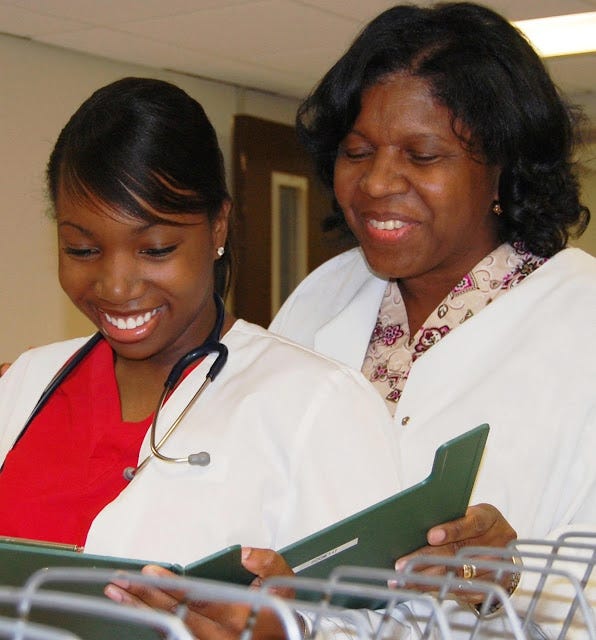
I was shadowing in a critical care unit when I watched a new grad navigate the EMR system like she was conducting a symphony while a 17-year veteran nurse beside her was still hunting and pecking for the right tab. The experienced nurse had the assessment documented, medications reconciled, and care plan updated before the veteran had even figured out where they'd moved the vitals flowsheet in the latest update.
I saw something flicker across that veteran nurse's face—embarrassment, maybe defensiveness. But here's what fascinated me: by the end of the shift, I overheard her asking the new grad, "Can you show me how you did that so fast?"
That moment sparked this entire article.
The Thing Nobody Tells You About Experience
Here's what I've learned from working with hundreds of nurses over the years: your experience is incredible, but it can also create blind spots. You get really, really good at doing things the way you've always done them. And in healthcare right now? That's actually becoming a career liability.
I know it feels counterintuitive to consider that nurses who just passed NCLEX might have something valuable to teach you. But stay with me, because what I'm about to share could change your entire career trajectory.
What I Mean by Reverse Mentorship (And Why It's Not What You Think)
I'm not suggesting a 23-year-old fresh out of school teach you nursing. That would be absurd. You've got clinical judgment they won't develop for years, and that's irreplaceable.
But here's what I am suggesting: What if you deliberately sought out a newer nurse to teach you specific things they're genuinely better at than you?
I've watched nurses transform their careers by doing exactly this. They learn technology optimization, current evidence-based practices, professional social media strategies, and new communication approaches—all from colleagues with less experience but different strengths.
Why This Matters More Than Ever
Let me tell you about Sarah, a charge nurse I interviewed who'd been applying for clinical educator positions for two years. Great clinical skills, beloved by her team, stellar references. But she kept getting passed over.
During one interview, they asked about integrating digital learning tools and social media for professional development. She gave a generic answer about "adapting to new platforms," but everyone in the room knew she was winging it.
She didn't get that job. The person who did? Someone with less clinical experience but who clearly understood where healthcare education was heading.
That's when Sarah started a reverse mentorship with a nurse who'd been working for 18 months. Six months later, Sarah landed an educator role at a different facility. The difference? She could speak fluently about digital integration, demonstrate adaptability, and show evidence of continuous learning.
Where New Grads Actually Have the Edge
From countless conversations with nurses at all career stages, here's where I consistently see newer nurses outpacing veterans:
Technology Fluency The nurses I talk to who've been practicing 10+ years can run codes in their sleep. But ask them to optimize their workflow in Epic or troubleshoot technology issues? Many are calling IT. Meanwhile, newer nurses just... figure it out. They grew up with technology that frustrates their experienced colleagues, and they know shortcuts that save hours every week.
Current Evidence and Research When I ask experienced nurses when they last accessed a research database, there's often a long pause. New grads just spent four years learning how to find, read, and apply current evidence. They know what's actually recommended now versus what was taught a decade ago that's since been disproven.
Professional Digital Presence I've reviewed hundreds of nurse LinkedIn profiles. The ones that get recruiter attention and open unexpected doors? They're often from newer nurses who understand how to network professionally online. Many experienced nurses either don't have LinkedIn or have profiles untouched since 2015.
Inclusive Communication Styles Generational differences are real in healthcare. Newer nurses enter the profession with training in trauma-informed care, cultural humility, and communication styles adapted for diverse patients and younger colleagues. This matters increasingly in leadership roles.
Fresh Perspective on Broken Systems New nurses haven't learned yet what's "impossible" at your facility. I've watched them suggest innovations that experienced nurses initially dismiss—until everyone realizes the idea is actually brilliant and they'd just been conditioned to accept inefficiency.
How to Actually Make This Happen
Based on what's worked for nurses I've coached, here's the roadmap:
Get Real With Yourself Make a list of things you avoid or struggle with. New documentation system? Telehealth protocols? Professional social media? Understanding the latest evidence-based guidelines? Write down three specific skills you need to strengthen.
Find Your Match Look for newer nurses (typically 1-3 years of experience) who excel in your target areas. Who does everyone go to with tech questions? Who has an impressive LinkedIn presence? Who stays current with research?
Make the Ask (The Right Way) Here's a script that works: "I've noticed you're incredible with [specific skill]. I'm working toward [specific career goal], and I need to strengthen this area. Would you be willing to meet monthly so I can learn from your expertise? I'd be happy to reciprocate by sharing insights about [area where you excel]."
The nurses who've done this tell me the response is almost always positive. Newer nurses feel honored that someone with experience values what they bring to the table.
Structure It Set clear expectations: monthly 30-minute coffee chats, weekly 15-minute check-ins, or project-based collaboration. Define what success looks like and commit to a timeframe (3-6 months initially).
What This Actually Looks Like
Let me tell you about Marcus, an ICU nurse with 15 years of experience. He started meeting monthly with Jade, who'd been a nurse for two years.
The first session was humbling for Marcus—he told me he felt like a student again. But Jade was patient, and she genuinely appreciated that someone with his experience valued what she knew.
Four months in, Marcus can navigate their EMR efficiently (saving him genuine time every shift), has a LinkedIn profile that's actually working (three recruiters have reached out about opportunities he'd never have known about), and understands current sepsis protocols better than he did before.
But here's the unexpected benefit Marcus shared with me: he and Jade have developed this great professional relationship. She asks him clinical judgment questions, he helps her see the bigger picture on complex patients, and they both feel they're growing.
Why This Actually Accelerates Your Career
Every nursing leadership job description I've analyzed lately emphasizes "adaptability," "continuous learning," and "digital fluency." When you can talk about reverse mentorship in interviews, it demonstrates all three.
It shows you're:
Self-aware enough to recognize gaps
Humble enough to learn from anyone
Strategic enough to pursue growth deliberately
Forward-thinking about where healthcare is heading
That's exactly what hiring managers want to see in leadership candidates.
What I Wish More Nurses Understood
The nurses advancing to leadership positions aren't the ones who know everything—they're the ones who know what they don't know and actively work to address it. Reverse mentorship isn't admitting weakness; it's demonstrating strength.
Your Next Move
Here's my challenge to you: Think of one newer nurse on your unit who's better than you at something specific. Just one thing. This week, buy them a coffee and say something like: "I really respect how you [specific skill]. I want to get better at this. Would you be willing to teach me?"
That's it. One conversation. See what happens.
Because here's what I know from working with nurses at every career stage—your experience and clinical wisdom are invaluable. But if you're not pairing that with current knowledge and skills, you're going to plateau. And you didn't work this hard to plateau now.
The person who could accelerate your career might be sitting at the nurses' station right now, wondering when someone will finally recognize what they have to offer.
Trust me on this one. It's worth the initial awkwardness.