
Project Management for Nurses: The “Non-Nursing” Secret to Leading High-Impact Healthcare Teams

![[HERO] Project Management for Nurses: The "Non-Nursing" Secret to Leading High-Impact Healthcare Teams](https://substackcdn.com/image/fetch/$s_!YSUo!,f_auto,q_auto:good,fl_progressive:steep/https%3A%2F%2Fsubstack-post-media.s3.amazonaws.com%2Fpublic%2Fimages%2F3bf68f9c-3834-4350-8618-a857ae2319f3_1536x1024.png "[HERO] Project Management for Nurses: The \"Non-Nursing\" Secret to Leading High-Impact Healthcare Teams")
You’ve mastered the art of juggling five patients, three codes, and a phone that won’t stop ringing. But now you’re eyeing that committee seat, that unit leadership role, or that hospital-wide quality improvement initiative: and suddenly, your clinical skills feel like just one piece of a much bigger puzzle.
Here’s the thing nobody tells you: The leap from bedside excellence to organizational impact isn’t about getting another nursing certification. It’s about learning the language of leadership that healthcare runs on: project management.
Why Project Management Is Your Secret Weapon
Clinical expertise gets you in the room. Project management skills get things done in that room.
Think about the last hospital initiative you watched fall apart. New charting system that nobody used? Check. Safety protocol that lived and died in a binder? Yep. Staff education program that got zero buy-in? Been there.
These failures rarely happen because of bad ideas. They fail because of poor execution, unclear ownership, misaligned timelines, and zero accountability. Sound familiar?

Project management gives you the framework to bridge the gap between “great idea” and “sustainable change.” It transforms you from someone who executes clinical tasks beautifully into someone who leads teams, manages initiatives, and delivers results that stick.
The Skills You Already Have (You Just Don’t Call Them That)
Here’s some good news: You’re already doing project management. You just don’t realize it.
Every shift, you’re:
Prioritizing competing demands (that’s resource allocation)
Coordinating with multiple departments (stakeholder management)
Adapting to unexpected changes (risk mitigation)
Documenting outcomes (data tracking and reporting)
Teaching patients and families (communication and change management)
The difference between what you do at the bedside and what happens in leadership meetings is mostly vocabulary and scale. Learn the framework, and suddenly those clinical instincts become organizational superpowers.
What Project Management Actually Looks Like for Nurses
Let’s get practical. Project management for nurses isn’t about Gantt charts and budget spreadsheets (though those help). It’s about structured thinking that turns chaos into clarity.
Communication That Cuts Through the Noise
You know how physicians, administrators, IT staff, and frontline nurses all speak different languages? Project management gives you the Rosetta Stone. You learn to translate clinical needs into business cases, frame quality concerns in terms executives understand, and articulate workflow impacts that actually get heard.
When you chair that falls prevention committee, you’re not just sharing best practices. You’re defining clear objectives, assigning specific responsibilities, setting measurable milestones, and creating accountability loops that ensure follow-through.
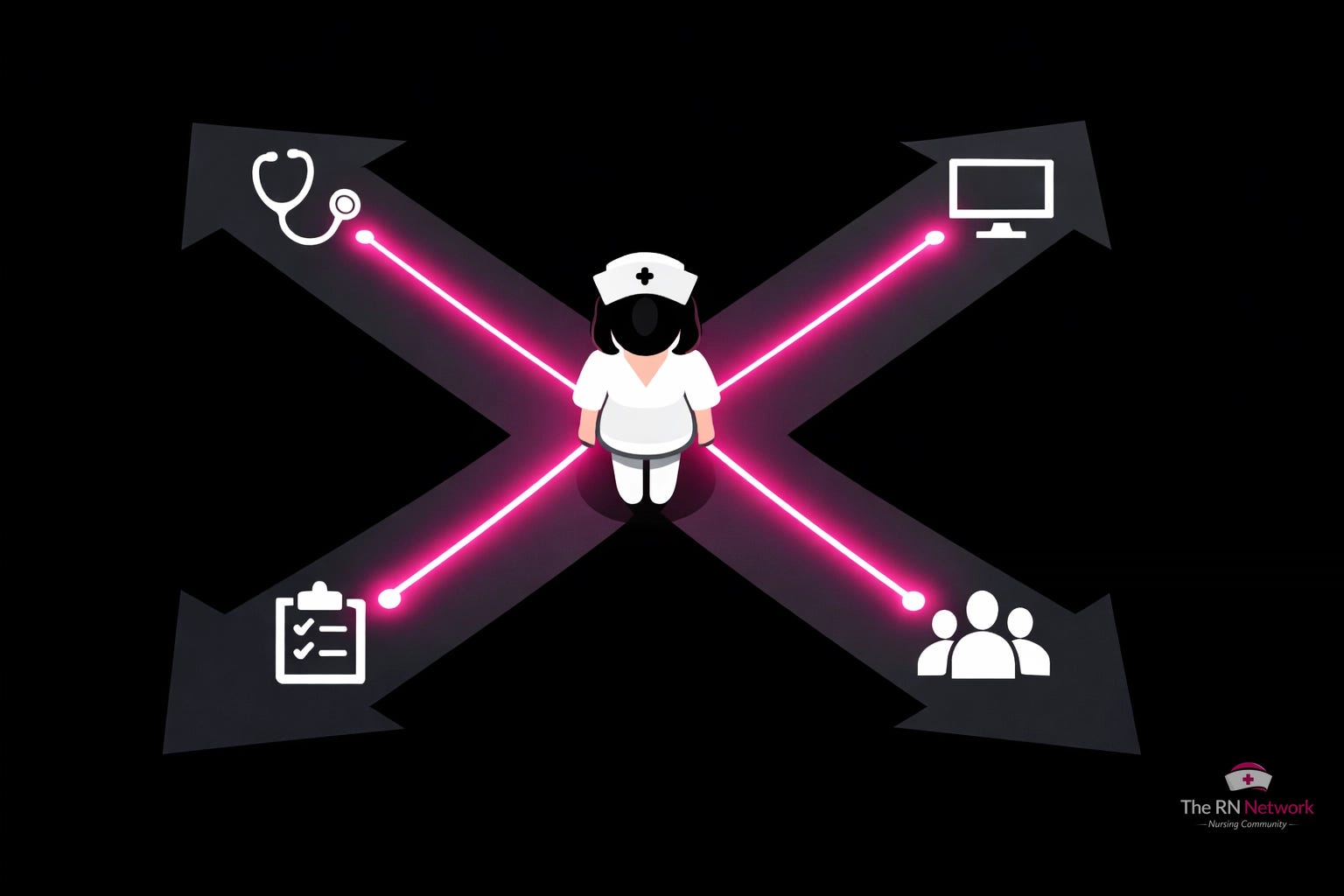
Leadership That Motivates Without Authority
Most nursing leadership happens without a fancy title. You’re influencing peers, collaborating across departments, and rallying people around shared goals: all without formal power.
Project management teaches you how to build coalitions, create buy-in, and keep momentum going when the initial enthusiasm fades. You learn to identify champions, address resistance early, and celebrate small wins that keep teams engaged.
Analytical Thinking That Drives Decisions
Clinical judgment gets you through the shift. Data literacy gets you the resources to improve the shift.
Project management frameworks help you identify trends, quantify problems, and present evidence that moves decision-makers. When you’re advocating for better staffing ratios or new equipment, you’re no longer just sharing war stories: you’re presenting solid data that justifies investment.
Real-World Applications You Can Start Tomorrow
Leading Hospital-Wide Initiatives
Whether it’s implementing a new sepsis protocol or rolling out bedside shift reports, these initiatives need someone who understands both clinical realities and organizational mechanics. Nurses with project management skills bridge that gap.
You know which workflows will actually work on the floor. You understand the hidden dependencies that planning committees miss. You spot safety risks before they become incidents. And you can translate all of that into action plans that get buy-in from both leadership and frontline staff.

Running Effective Committees
Ever sat through a committee meeting that accomplished absolutely nothing? (We all have.) Project management changes that.
You learn to set clear agendas, define decision-making processes, track action items, and hold people accountable. Meetings become productive. Projects move forward. People actually want to be on your committees because stuff gets done.
Managing Unit-Level Improvements
Quality improvement projects, workflow redesigns, staff education programs: these are all projects that need management. Nurses who can scope initiatives, identify stakeholders, create timelines, and measure outcomes become invaluable to their units.
You become the person leadership taps when they need something done right. Not just clinically competent: organizationally effective.
How to Build These Skills
The beauty of project management is that you don’t need to go back to school for years. Many nurses start with short courses or certifications that teach core frameworks and tools.
Look for programs that focus on healthcare applications. Generic project management is fine, but training designed for clinical settings will resonate more and apply faster. You want content that addresses regulatory compliance, patient safety considerations, and the unique challenges of coordinating care across shifts and departments.
Start applying concepts immediately. Volunteer for that task force you’ve been avoiding. Offer to lead a small improvement project on your unit. Shadow someone in a formal project management role to see the work in action.
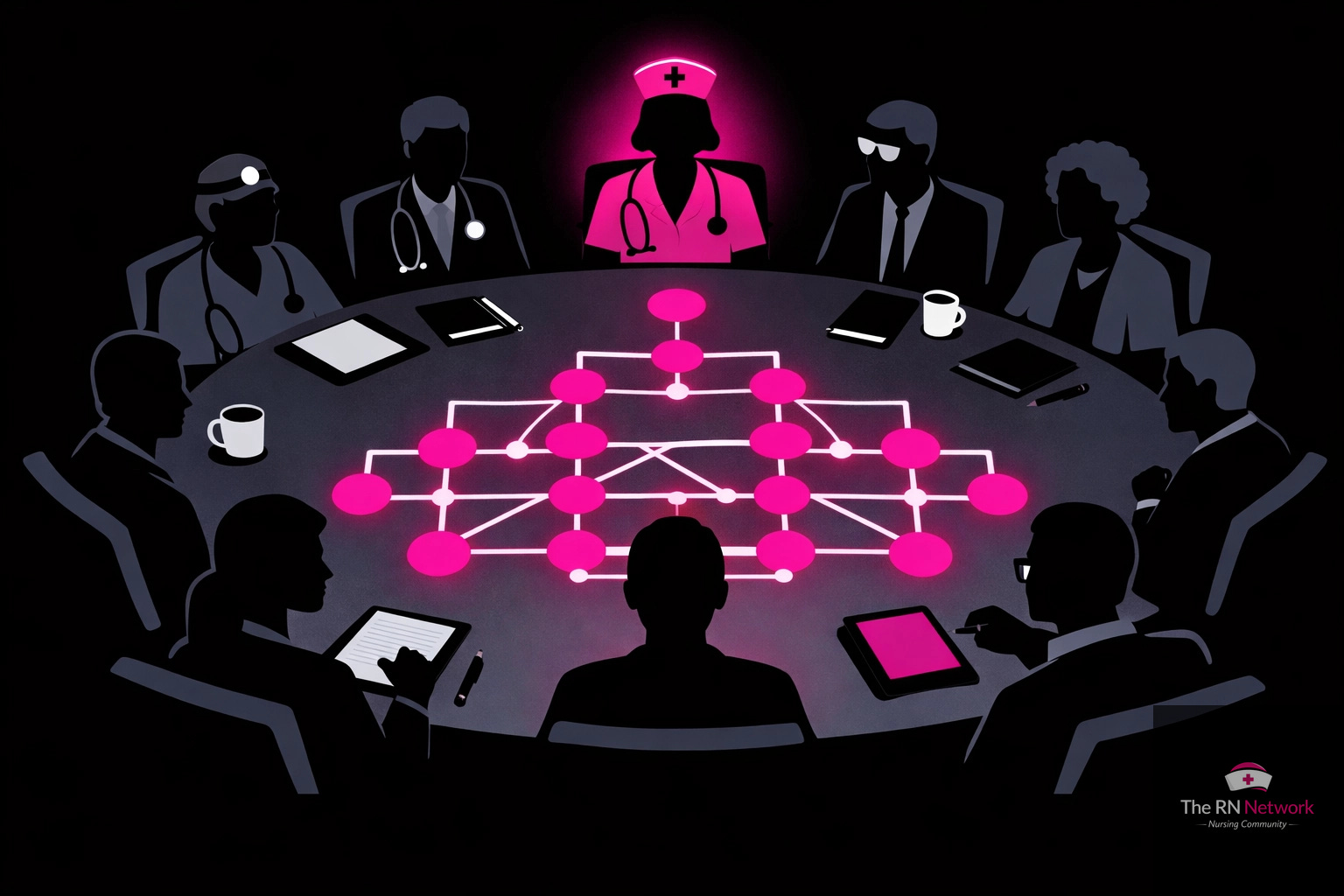
The goal isn’t to become a full-time project manager (unless you want to). It’s to add a skill set that amplifies your clinical expertise and opens doors to leadership opportunities you didn’t know existed.
The Career Impact You Didn’t Expect
Nurses with project management skills stand out. When leadership roles open up, you’re not just another clinically excellent candidate: you’re someone who can drive organizational priorities forward.
You become eligible for roles beyond traditional nursing management: quality directors, informatics specialists, clinical operations leaders, and executive positions that shape healthcare delivery at scale.
And even if you stay at the bedside, these skills make you more effective. You navigate bureaucracy better. You advocate for your patients more successfully. You influence change instead of just adapting to it.
Where to Go From Here
Project management isn’t a “nice to have” for nurses who want to lead. It’s the missing piece that transforms clinical excellence into organizational impact.
Start small. Take one course. Lead one project. Apply one framework to a committee you’re already on. Watch what happens when you bring structure to the chaos and clarity to the confusion.
Your clinical skills got you this far. Project management skills will take you wherever you want to go next: whether that’s the boardroom, the quality department, or just being the nurse on your unit who actually gets things done.
The healthcare system needs nurses who can bridge the gap between frontline realities and organizational priorities. Learn the language of leadership, and you’ll find yourself in rooms where decisions get made, initiatives get funded, and real change happens.
Ready to level up? Check out The RN Network’s coaching resources to explore how project management and other leadership skills can accelerate your nursing career.
You’ve already got the clinical chops. Now go get the organizational impact to match.