
Nurse Resume Masterclass: Building Your Standout CV in 2026

Your nursing resume is your first chance to make a lasting impression on hiring managers. In 2026’s competitive healthcare landscape, knowing how to write a nursing resume that stands out isn’t just helpful: it’s essential. Whether you’re a new graduate or a seasoned RN looking to advance your career, this comprehensive guide will help you create a resume for registered nurses that gets noticed and lands interviews.
The Modern Nursing Resume: What’s Changed in 2026
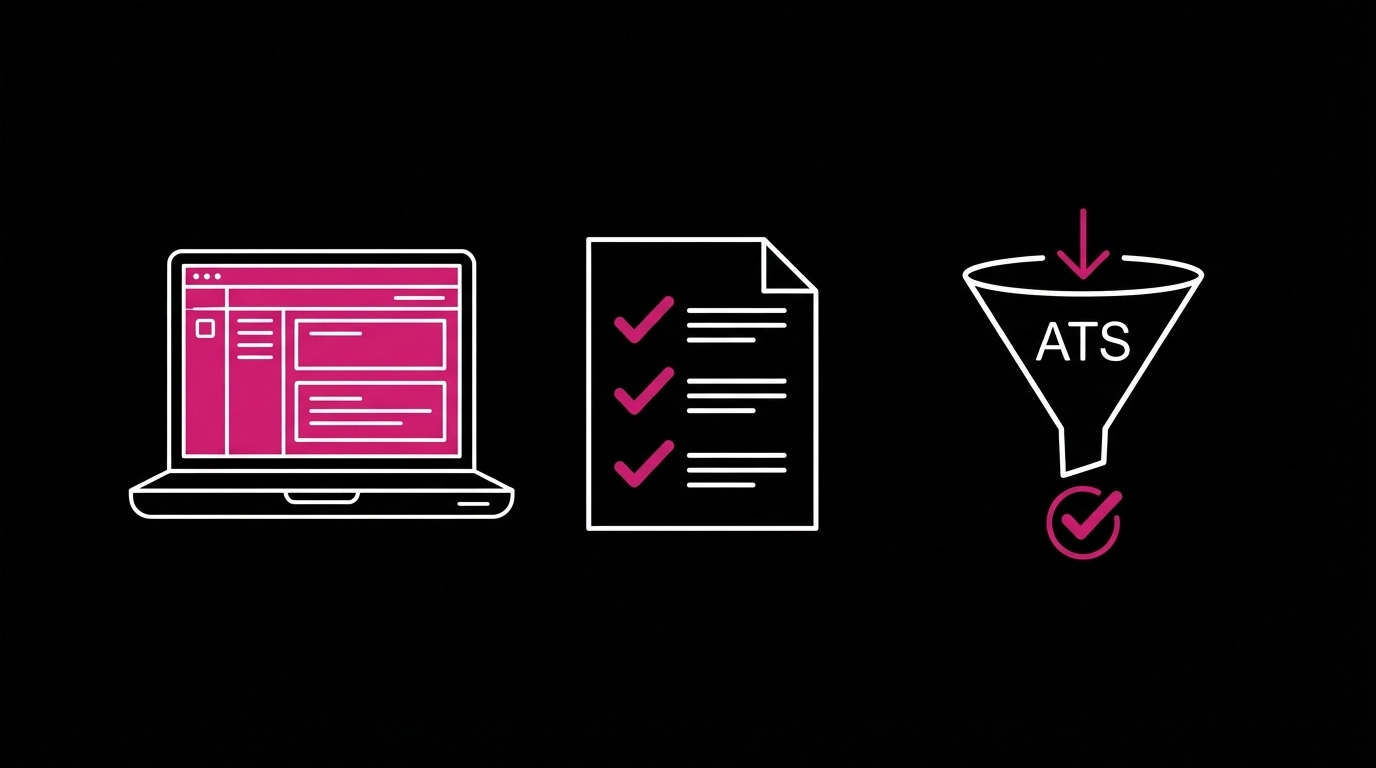
The best nursing resume format has evolved significantly. Today’s healthcare employers use Applicant Tracking Systems (ATS) to screen resumes, meaning your beautifully formatted CV needs to be both visually appealing and machine-readable. Additionally, the integration of technology in healthcare means employers are looking for nurses who can balance traditional clinical skills with digital competency.
Essential Structure for Your Nursing Resume
When improving nurse curriculum vitae, start with a clean, professional layout that includes these critical sections:
Header Information
Full name and nursing designation (RN, RN BSN, or G.N. for Graduate Nurse)
Professional email address and phone number
City, state (full address not required)
LinkedIn profile URL
State nursing license number (if applicable)
Professional Summary or Objective
3-4 lines for experienced nurses
Career objective for new graduates
Keywords matching the target position
Core Competencies/Skills
Clinical skills relevant to the position
Technology proficiencies
Soft skills that demonstrate patient care excellence
Professional Experience
Listed in reverse chronological order
Include healthcare settings and specialties
Focus on achievements rather than just duties
Certifications and Licensure
Current nursing license
CPR, BLS, ACLS certifications
Specialty certifications relevant to your field
Education
Nursing degree and institution
Graduation date (within 10 years)
Academic honors if applicable
Crafting a Compelling Professional Summary
Your professional summary is crucial for career development for nurses. This section serves as your elevator pitch and should immediately communicate your value proposition.
For New Graduates:
Write a career objective that highlights your enthusiasm, clinical training, and commitment to patient care. Example: “Compassionate nursing graduate with 500+ hours of clinical experience across pediatric and medical-surgical units. Skilled in patient monitoring, medication administration, and interdisciplinary collaboration. Committed to delivering evidence-based care while pursuing continuous professional development.”
For Experienced Nurses:
Focus on your specialization, years of experience, and key accomplishments. Example: “Dedicated ICU Nurse with 8+ years of critical care experience managing complex patient cases. Proven track record of reducing patient readmission rates by 15% through comprehensive discharge planning and patient education. Expert in advanced cardiac monitoring and emergency response protocols.”

Optimizing Your Experience Section
When describing your nursing experience, use action-oriented language that demonstrates impact. Here are nurse resume tips for making your experience shine:
Use Strong Action Verbs:
Administered medications to 20+ patients per shift
Collaborated with interdisciplinary teams to develop care plans
Educated patients and families on post-operative care procedures
Monitored vital signs and documented changes in patient condition
Implemented infection control protocols reducing hospital-acquired infections
Quantify Your Achievements:
“Managed care for 15-20 patients per shift in a 40-bed medical-surgical unit”
“Achieved 98% medication administration accuracy rate over 2-year period”
“Mentored 12 new graduate nurses during their orientation process”
“Reduced patient falls by 25% through implementation of hourly rounding protocols”
Include Relevant Clinical Settings:
Be specific about your experience in different healthcare environments such as ICU, ER, pediatrics, oncology, or outpatient clinics. This helps employers quickly identify if your background matches their needs.
Skills Section: Balancing Clinical and Technical Competencies
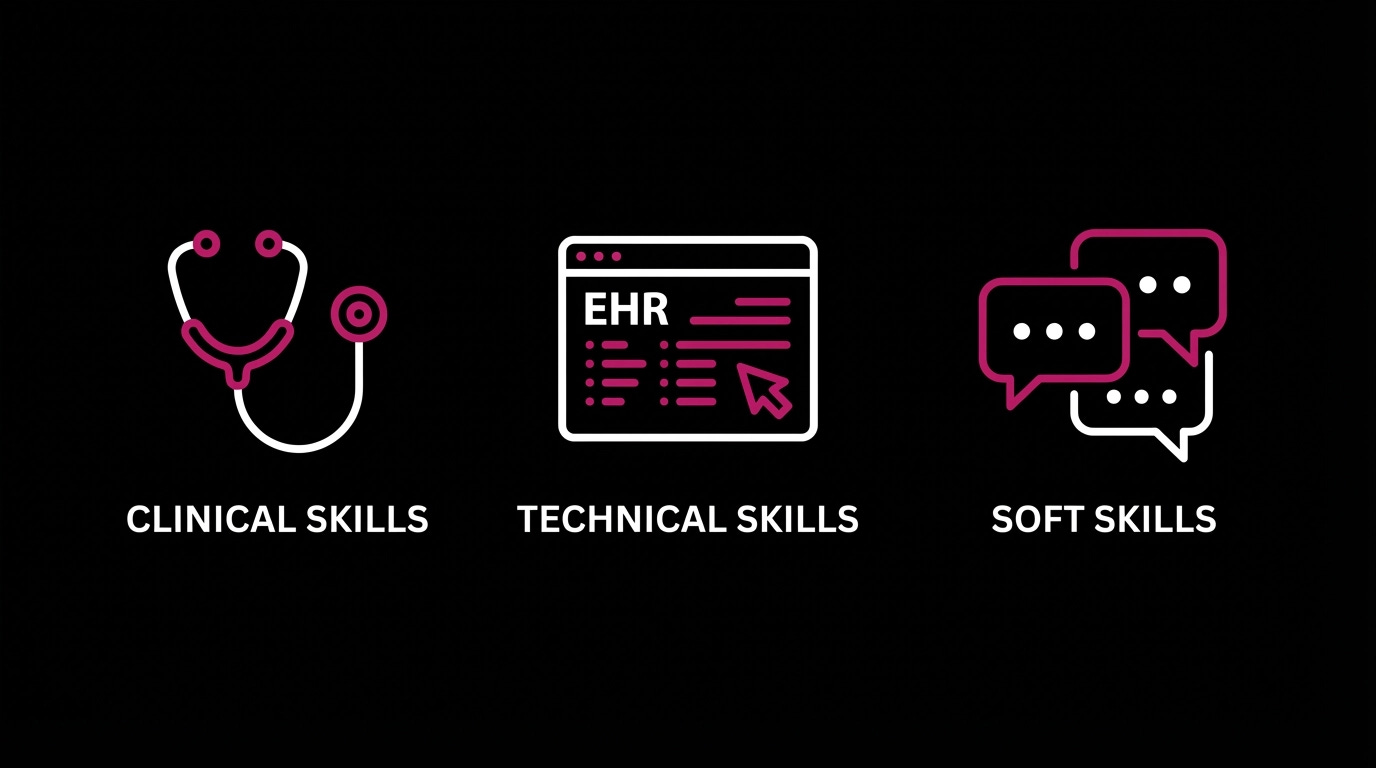
The skills section of your resume should reflect both traditional nursing competencies and modern healthcare technology requirements. Organize your skills into three categories:
Clinical Skills:
Patient assessment and vital signs monitoring
Medication administration and dosage calculations
Wound care and infection control protocols
Emergency response and critical thinking
Patient advocacy and family communication
Technical Skills:
Electronic Health Records (Epic, Cerner, Meditech)
Telehealth platforms and remote monitoring
Medical devices and equipment operation
Healthcare data analysis and reporting
Basic computer literacy (Microsoft Office, email systems)
Soft Skills:
Effective communication and active listening
Cultural competency and sensitivity
Time management and prioritization
Emotional intelligence and stress management
Teamwork and collaborative care
Certifications That Make a Difference
Highlighting relevant certifications is crucial for improving nurse curriculum vitae. Current and specialized certifications demonstrate your commitment to professional development and patient safety.
Essential Certifications:
Basic Life Support (BLS) - American Heart Association
Cardiopulmonary Resuscitation (CPR)
Advanced Cardiac Life Support (ACLS) for acute care nurses
Pediatric Advanced Life Support (PALS) for pediatric nurses
Specialty Certifications:
Critical Care Registered Nurse (CCRN)
Certified Emergency Nurse (CEN)
Oncology Certified Nurse (OCN)
Medical-Surgical Registered Nurse (MEDSURG-RN)
Wound, Ostomy and Continence Nursing (CWOCN)
Always include expiration dates for time-sensitive certifications and ensure they’re current before applying.
Special Considerations for New Graduate Nurses
New graduates face unique challenges when learning how to write a nursing resume without extensive professional experience. Here’s how to present your qualifications effectively:
Emphasize Clinical Rotations:
Detail your clinical experiences with specific units, procedures performed, and hours completed. Example: “Completed 120-hour medical-surgical rotation managing patient care for diverse populations including post-operative, diabetic, and cardiac patients.”
Include Academic Achievements:
Dean’s List recognition
Nursing honor society membership (Sigma Theta Tau)
Relevant coursework in specialty areas
Clinical research projects or evidence-based practice initiatives
Highlight Non-Clinical Experience:
Previous healthcare experience, even as a nursing assistant or volunteer, demonstrates your commitment to patient care and familiarity with healthcare environments.

ATS Optimization: Getting Past the Machines
Understanding Applicant Tracking Systems is essential for career development for nurses in 2026. These systems scan resumes for specific keywords and phrases before human eyes ever see your application.
ATS-Friendly Formatting Tips:
Use standard fonts like Arial, Calibri, or Times New Roman
Avoid tables, graphics, and complex formatting
Use standard section headings (Experience, Education, Skills)
Include keywords from the job description naturally throughout your resume
Save your resume as both .docx and .pdf formats
Keyword Integration:
Carefully read job descriptions and incorporate relevant terms into your resume. If the posting mentions “medication administration,” “patient assessment,” or “interdisciplinary collaboration,” ensure these phrases appear naturally in your experience descriptions.
Common Resume Mistakes to Avoid
Even experienced nurses can fall into common traps when creating their resumes. Here are the most frequent mistakes and how to avoid them:
Overly Long Resumes:
Keep your resume to 1-2 pages maximum. Hiring managers spend an average of 6-10 seconds on initial resume review, so make every word count.
Generic Content:
Tailor your resume for each position. A one-size-fits-all approach rarely works in competitive nursing markets.
Duty-Based Descriptions:
Focus on achievements and outcomes rather than listing job duties. Instead of “Responsible for patient care,” write “Provided comprehensive nursing care to 15+ patients daily, resulting in 95% patient satisfaction scores.”
Outdated Information:
Remove outdated skills or certifications, and ensure contact information is current.
Final Tips for Resume Success
Creating the best nursing resume format requires attention to detail and strategic thinking. Remember that your resume is a marketing tool designed to showcase your qualifications and secure interviews.
Proofread Carefully:
Healthcare requires precision, and spelling or grammatical errors on your resume suggest attention to detail issues. Have colleagues review your resume before submitting.
Keep It Current:
Update your resume regularly, adding new certifications, skills, and experiences as you gain them.
Professional Online Presence:
Ensure your LinkedIn profile aligns with your resume and presents a professional image.

Your nursing resume is more than a document: it’s your professional story. By following these nurse resume tips and focusing on both clinical competencies and modern healthcare requirements, you’ll create a compelling resume that opens doors to exciting career opportunities in 2026’s evolving healthcare landscape.
Remember, the goal isn’t just to list your qualifications but to demonstrate how your unique combination of skills, experience, and passion for patient care makes you the ideal candidate for your target position. Take time to craft a thoughtful, well-organized resume that reflects your professional journey and career aspirations.
Ready to take the next step in your nursing career? Visit The RN Network to connect with fellow healthcare professionals and explore new opportunities in your field.