
How Nurse Communication Tools Are Shaping the Future of Patient Care and Teamwork

Picture this: It’s 3 AM in the ICU, and you need to reach the on-call physician about a patient’s deteriorating condition. Instead of playing phone tag or hunting down a busy doctor, you send a secure message with the patient’s vitals, lab results, and your assessment: and get a response within minutes. Welcome to the future of nursing communication, where technology isn’t just changing how we work; it’s revolutionizing patient care itself.
Healthcare communication has evolved far beyond the days of shouting down hospital corridors or relying on outdated pagers. Today’s nurse communication tools are sophisticated platforms that streamline workflows, eliminate dangerous miscommunications, and create seamless collaboration across entire care teams. But here’s the real game-changer: these tools aren’t just making our jobs easier: they’re literally saving lives and transforming patient outcomes.
The Communication Crisis That’s Costing Lives
Before we dive into the solutions, let’s address the elephant in the room. Healthcare miscommunication isn’t just an inconvenience: it’s a $1.7 billion problem that results in nearly 2,000 preventable deaths annually. Those aren’t just statistics; they represent real patients whose outcomes could have been different with better communication systems.
Traditional communication methods in healthcare are notoriously fragmented. Nurses often juggle multiple systems: pagers for urgent calls, phones for routine communication, paper charts for documentation, and various computer systems that don’t talk to each other. This patchwork approach creates dangerous gaps where critical information can fall through the cracks.
The Joint Commission has consistently identified communication failures as a leading cause of sentinel events in hospitals. When a night nurse can’t quickly reach a physician, when lab results get buried in a patient’s chart, or when discharge instructions aren’t clearly communicated to family members, patient safety suffers.
Revolutionary Tools Transforming Nursing Communication
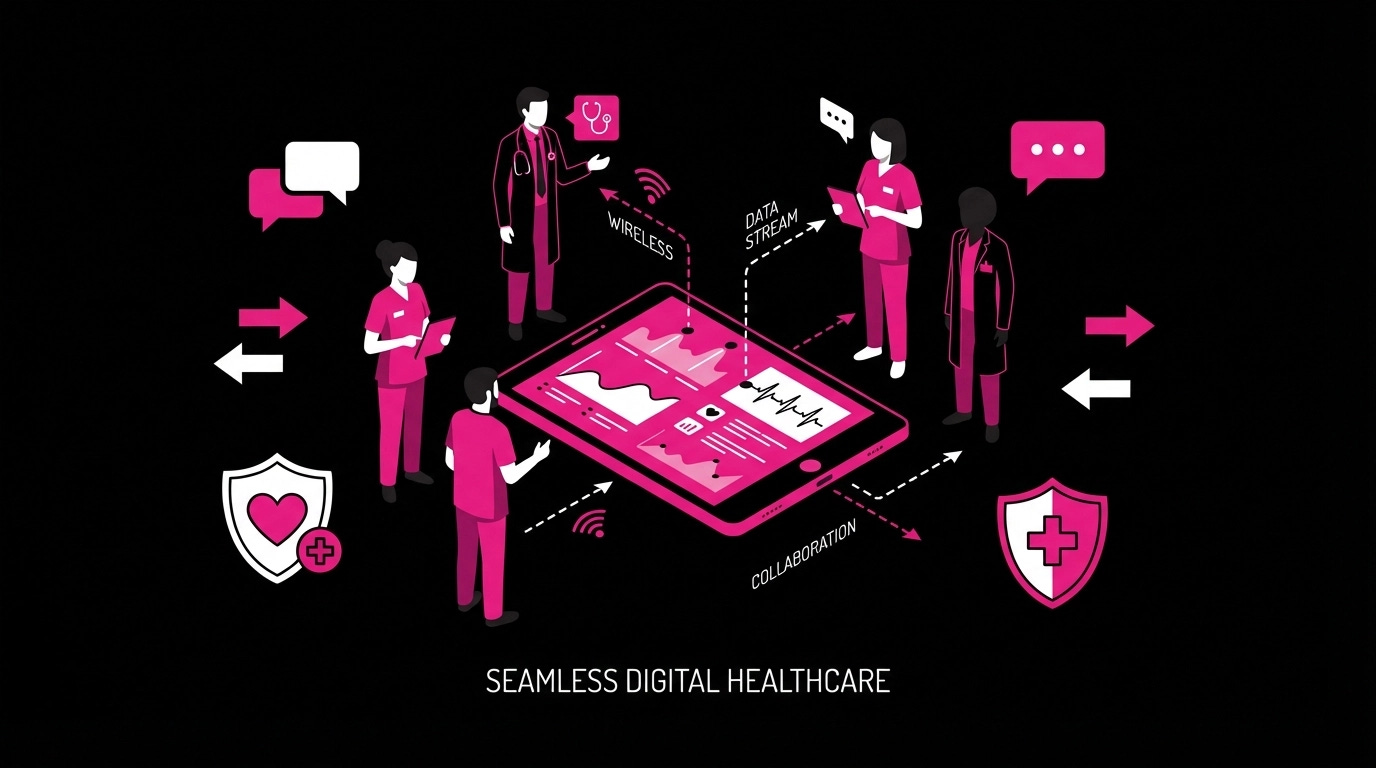
The landscape of nursing communication technology has exploded with innovative solutions designed specifically for healthcare environments. These aren’t generic messaging apps adapted for medical use: they’re purpose-built platforms that understand the unique challenges of nursing workflows.
Clinical Communication Platforms represent the gold standard in healthcare messaging. Unlike consumer apps, these systems maintain HIPAA compliance while enabling instant, secure communication between care team members. Nurses can share patient photos, lab results, and assessment data while maintaining complete privacy protection.
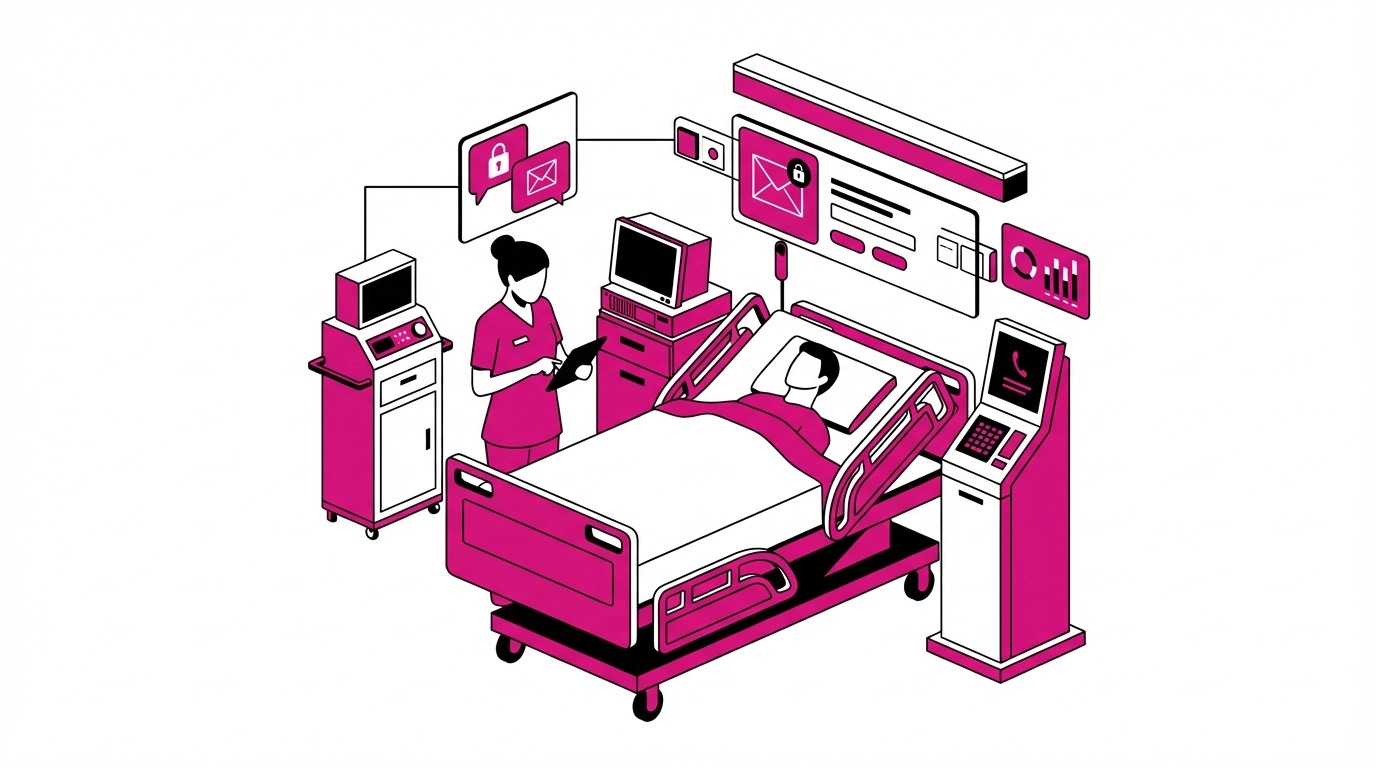
Bedside Communication Technology has transformed patient interactions. Modern tablets and communication systems allow patients to directly contact their nursing team, access educational materials, and participate more actively in their care plans. This technology bridges the gap between clinical expertise and patient understanding.
Mobile Communication Apps specifically designed for healthcare provide nurses with secure messaging, file sharing, and real-time collaboration tools. These platforms often integrate with existing hospital systems, creating a unified communication ecosystem that supports both routine and emergency communications.
SBAR Communication Framework might not be a technological tool, but it’s revolutionizing how nurses structure their communications. This standardized approach (Situation, Background, Assessment, Recommendation) ensures critical information is communicated clearly and completely, whether delivered verbally or through digital platforms.
Enhancing Patient Care Through Better Communication
The impact of advanced healthcare collaboration tools on patient outcomes extends far beyond improved efficiency. These systems are fundamentally changing how care is delivered and experienced.
Faster Emergency Response capabilities can mean the difference between life and death. When nurses can instantly alert entire response teams through group messaging, include patient data and location information, and coordinate real-time actions, emergency response times drop significantly. Some hospitals report 40% faster response times to critical situations after implementing clinical communication platforms.
Reduced Medical Errors occur when communication barriers disappear. Clear medication orders, instant access to patient allergies and contraindications, and seamless handoff communications eliminate many common sources of medical mistakes. The result is safer patient care and increased confidence among nursing staff.
Improved Patient Engagement happens naturally when communication becomes more accessible. Patients who can easily reach their care team, access their health information, and receive timely responses to questions show higher satisfaction scores and better compliance with treatment plans.
Continuity of Care strengthens when communication tools provide comprehensive documentation and easy information sharing. Nurses coming on shift can quickly understand patient status, ongoing concerns, and family dynamics through well-documented communication histories.
Building Stronger Healthcare Teams
Modern communication tools don’t just connect individual nurses and doctors: they create cohesive care teams that function as unified units. This transformation addresses one of healthcare’s biggest challenges: breaking down organizational silos that fragment patient care.
Breaking Down Department Barriers becomes possible when communication platforms connect nursing units with laboratories, pharmacy, radiology, and other support services. Instead of separate phone calls and multiple systems, everything flows through integrated communication channels that keep all relevant team members informed.
Standardizing Handoff Procedures ensures critical information transfers completely between shifts. Digital handoff tools prompt nurses to address specific categories of patient information, reducing the likelihood of omitted details that could impact patient safety.
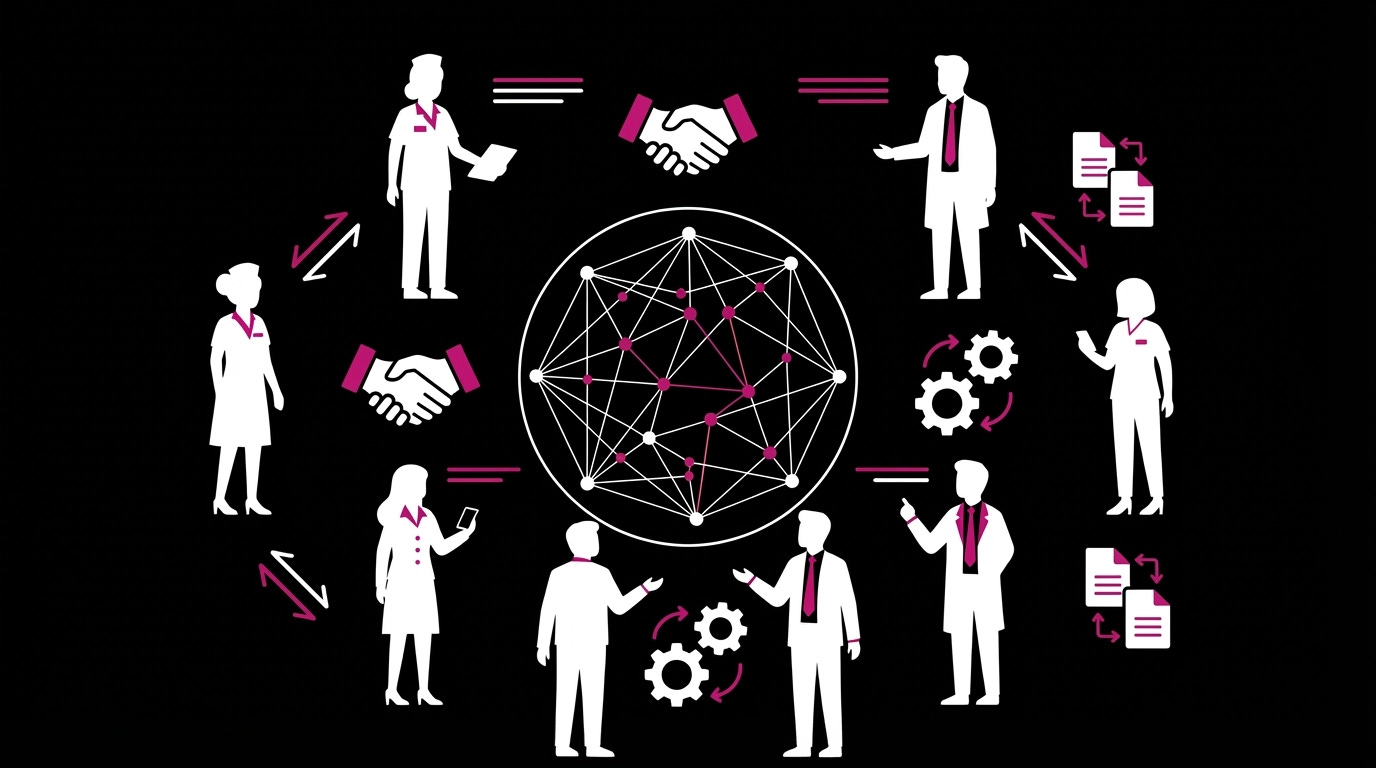
Real-Time Collaboration enables immediate consultation and decision-making. When a nurse has concerns about a patient’s condition, they can quickly share assessment data with physicians, receive guidance, and implement interventions without delays caused by communication barriers.
Building Trust Among Team Members occurs naturally when communication becomes more transparent and accessible. When everyone has access to the same information and can contribute to care planning discussions, mutual respect and professional confidence grow.
The Future of Nursing Communication Technology
The evolution of tech for nurses shows no signs of slowing down. Emerging technologies promise even more sophisticated communication capabilities that will further transform patient care and nursing practice.
Artificial Intelligence Integration will soon enable predictive communication, where systems automatically alert appropriate team members based on patient data patterns and risk assessments. Instead of waiting for nurses to identify and communicate concerns, AI will proactively facilitate necessary conversations.
Voice-Activated Communication systems are being developed specifically for healthcare environments. Nurses will be able to send messages, access patient information, and coordinate care through voice commands, keeping their hands free for patient care activities.
Wearable Communication Devices designed for healthcare workers will provide discreet, instant connectivity without the bulk and distraction of current mobile devices. These systems will integrate seamlessly with hospital communication networks while maintaining infection control standards.
Patient-Controlled Communication platforms will give patients more agency in their care communications, allowing them to schedule consultations, request information, and participate in care planning discussions through intuitive digital interfaces.
Advancing Your Nursing Career Through Communication Technology
Understanding and leveraging nursing career development opportunities in communication technology positions nurses as valuable leaders in their organizations. Healthcare facilities increasingly value team members who can bridge the gap between traditional nursing skills and modern technological capabilities.
Developing Digital Literacy in healthcare communication tools has become an essential professional skill. Nurses who master these systems often find themselves in leadership roles, training colleagues and influencing communication policy decisions.
Specializing in Communication Technology creates unique career paths within nursing. Clinical informatics, quality improvement, and patient safety roles often require deep understanding of communication systems and their impact on patient outcomes.
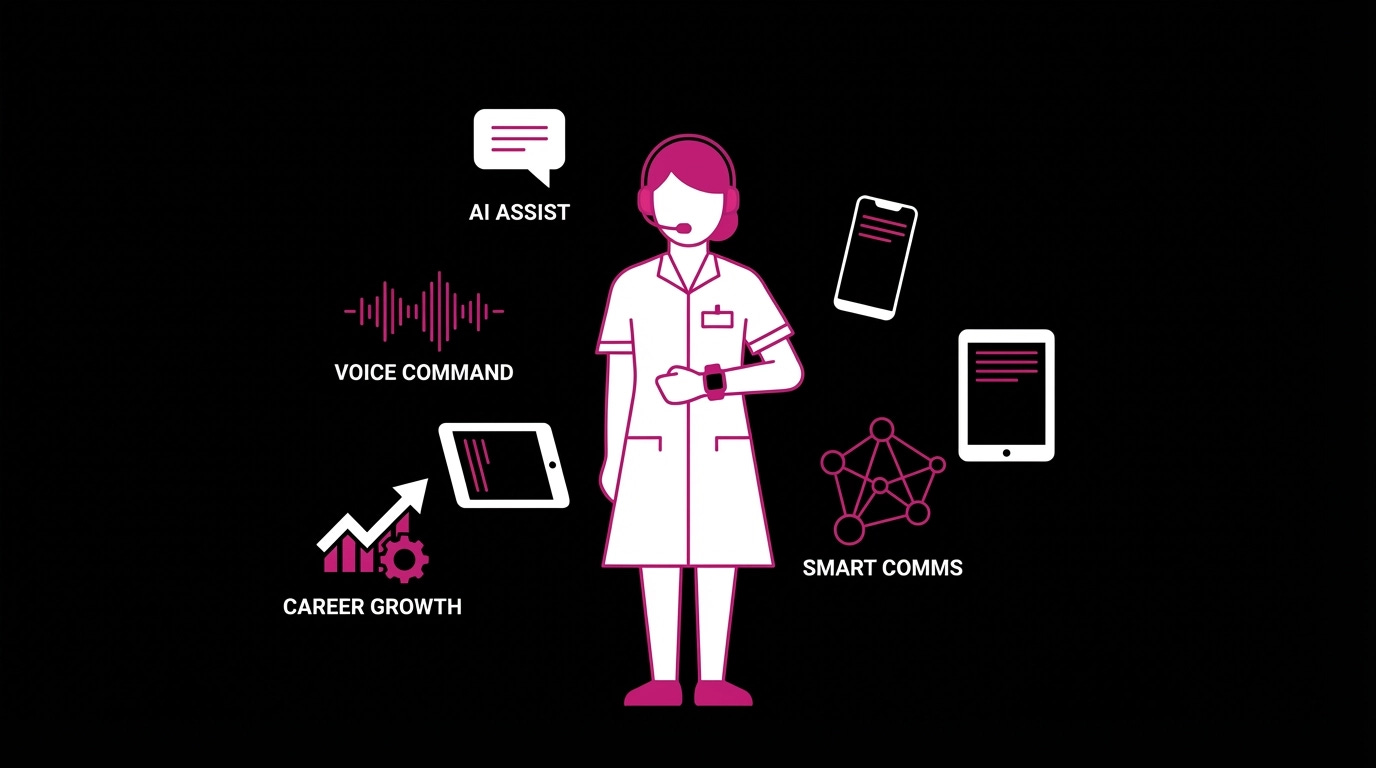
Leading Change Initiatives around communication improvement provides opportunities for professional growth and increased responsibility. Nurses who understand both clinical workflows and technological capabilities are uniquely positioned to guide successful implementation of new communication systems.
Getting Started with Modern Communication Tools
For nurses ready to embrace these technological advances, the transition doesn’t have to be overwhelming. Most healthcare communication platforms are designed with intuitive interfaces that build on familiar communication patterns.
Start with Basic Features like secure messaging and file sharing before exploring advanced capabilities. Most systems provide comprehensive training resources and support to help users become comfortable with new tools.
Participate in Training Opportunities offered by your healthcare organization. These sessions not only teach technical skills but also demonstrate how communication tools integrate with existing workflows and patient care procedures.
Connect with Technology Champions in your workplace who can provide practical guidance and troubleshooting support. Learning from experienced colleagues accelerates the adoption process and builds confidence in using new systems.
The transformation of nursing communication represents more than technological advancement: it’s a fundamental shift toward more collaborative, efficient, and patient-centered care. As these tools continue evolving, nurses who embrace communication technology will find themselves at the forefront of healthcare innovation, better equipped to provide exceptional patient care while building stronger professional relationships with their colleagues.
The future of nursing communication is here, and it’s creating opportunities for better patient outcomes, stronger teamwork, and more satisfying nursing careers. The question isn’t whether to adopt these tools: it’s how quickly you can master them to enhance your professional impact.
For more resources on advancing your nursing career through technology and communication skills, visit The RN Network where we connect nurses with the tools, training, and opportunities they need to thrive in modern healthcare environments.