
Coding for Care: How Tech & Data Courses Can Future-Proof Your Nursing Career in 2026

![[HERO] Coding for Care: How Tech & Data Courses Can Future-Proof Your Nursing Career in 2026](https://substackcdn.com/image/fetch/$s_!JWNL!,f_auto,q_auto:good,fl_progressive:steep/https%3A%2F%2Fsubstack-post-media.s3.amazonaws.com%2Fpublic%2Fimages%2F85e3a84f-9d75-4eef-878a-372b2693be21_1536x1024.png "[HERO] Coding for Care: How Tech & Data Courses Can Future-Proof Your Nursing Career in 2026")
Look, nobody went into nursing because they wanted to become a data scientist. You’re here because you care about people, not Python scripts. But here’s the reality check: healthcare in 2026 looks nothing like it did even five years ago, and the nurses who understand tech aren’t just surviving: they’re thriving.
The good news? You don’t need to become a full-stack developer or abandon patient care. You just need to add some strategic tech skills to your toolkit. Think of it as learning a new language that happens to unlock doors you didn’t even know existed.
The Tech Wave Isn’t Coming: It’s Already Here
Every time you document in an EHR, scan a medication barcode, or check a patient’s remote monitoring data, you’re already working at the intersection of nursing and technology. The difference is that nurses who understand what’s happening behind the screens are the ones hospitals are actively recruiting for leadership roles.
Clinical informatics specialists and healthcare data analysts aren’t replacing bedside nurses: they’re nurses who leveraged tech skills to create entirely new career paths. These roles command higher salaries, offer better work-life balance, and let you impact patient care at a systems level instead of one patient at a time.
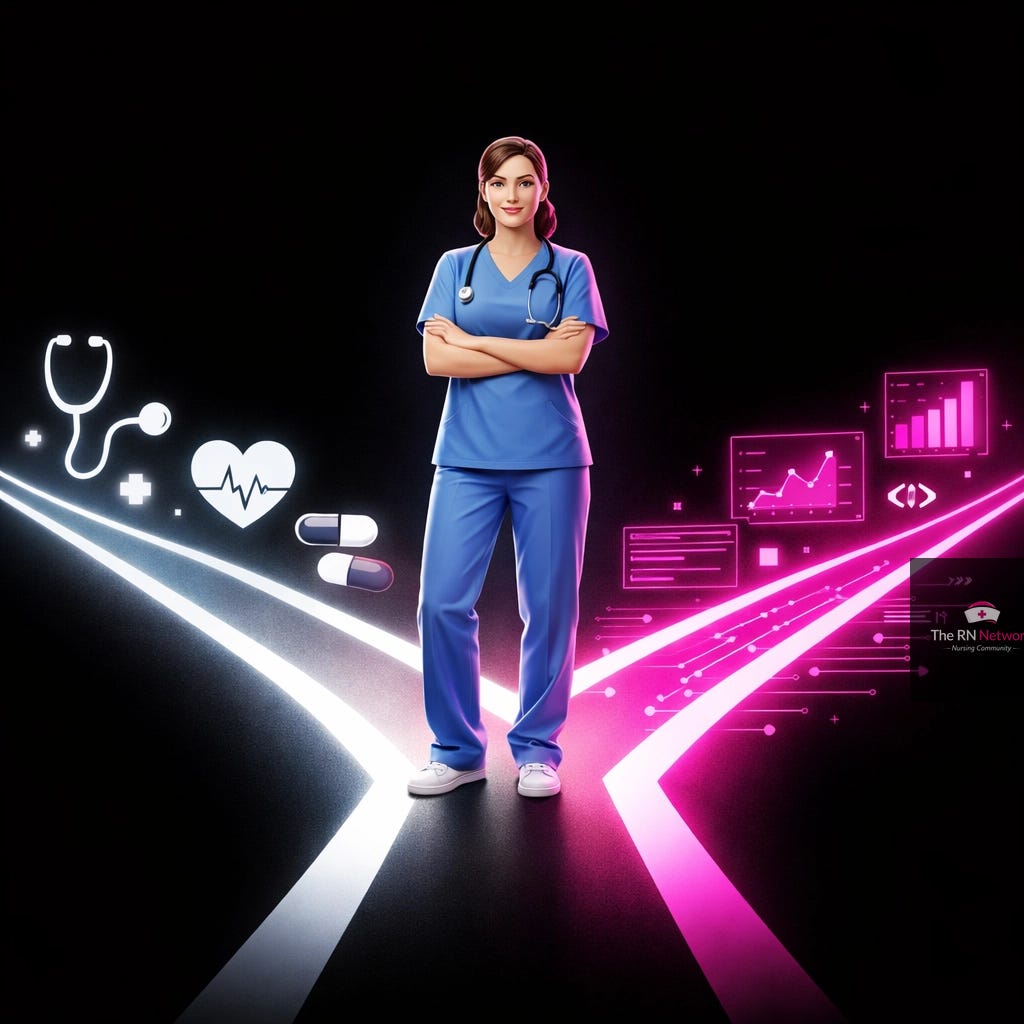
The demand is real. Healthcare organizations need professionals who speak both languages: clinical expertise and tech literacy. You already have half of that equation mastered.
What Tech Skills Actually Matter for Nurses
Forget everything you think you know about “coding.” You’re not trying to build the next Instagram. The tech skills that matter most in healthcare are practical, learnable, and directly applicable to better patient outcomes.
Data analytics tops the list. Understanding how to interpret healthcare data, spot trends, and translate numbers into actionable insights makes you invaluable. When you can explain why readmission rates spiked last quarter or which interventions actually move the needle on patient satisfaction, you become the person everyone wants in the room.
EHR optimization is another game-changer. Most nurses know how to use their hospital’s electronic health record system, but few understand how to customize workflows, build clinical decision support tools, or improve documentation processes. These skills transform you from an end-user to a strategic partner in technology implementation.
Database management might sound intimidating, but it’s basically understanding how healthcare information is organized, stored, and retrieved. This knowledge helps you ask better questions, spot data quality issues, and participate meaningfully in technology discussions.
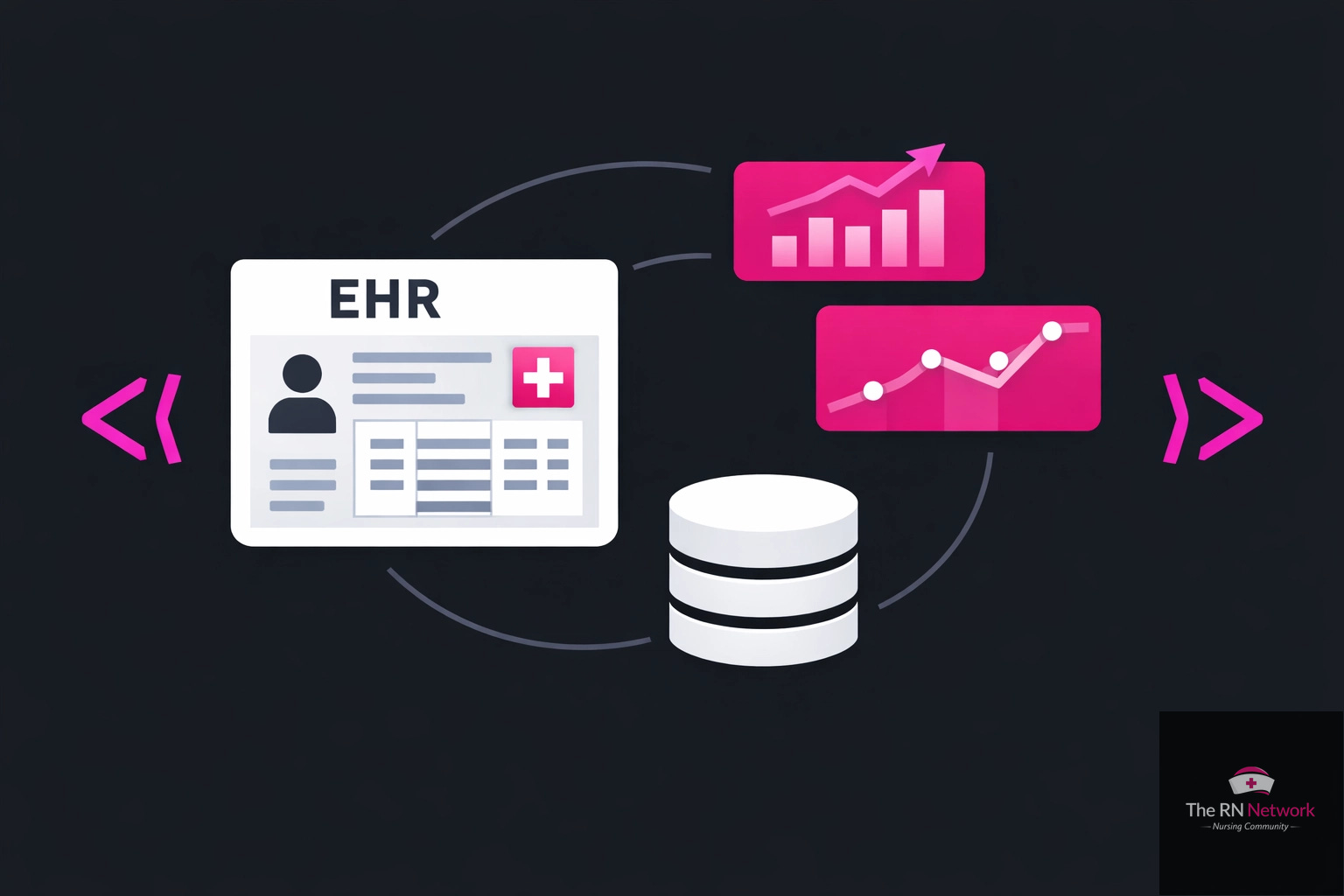
Basic coding literacy: particularly in languages like SQL, Python, or R: opens unexpected doors. You don’t need to write complex programs, but understanding the logic behind data queries and simple automation scripts makes you infinitely more effective when working with IT teams or leading quality improvement initiatives.
Real-World Applications That Make Sense
Let’s talk about what this actually looks like in practice, because theory is useless without application.
Imagine you’re a charge nurse who notices certain patient populations consistently experience longer wait times. With basic data analytics skills, you pull relevant metrics, identify patterns, and present evidence-based solutions to administration. That’s the difference between complaining about a problem and solving it.
Or consider the clinical educator who uses database knowledge to track competency completion rates, identify knowledge gaps, and personalize learning paths for new hires. Suddenly, you’re not just teaching: you’re strategically developing talent using measurable outcomes.
Healthcare data analysts work directly with interdisciplinary teams to improve everything from staffing models to infection control protocols. They bridge the gap between raw numbers and clinical reality, translating complex datasets into recommendations that frontline staff can actually implement.
Quality improvement coordinators leverage tech skills to monitor performance metrics in real-time, automate reporting processes, and demonstrate regulatory compliance without drowning in paperwork. These roles combine clinical judgment with technological efficiency.
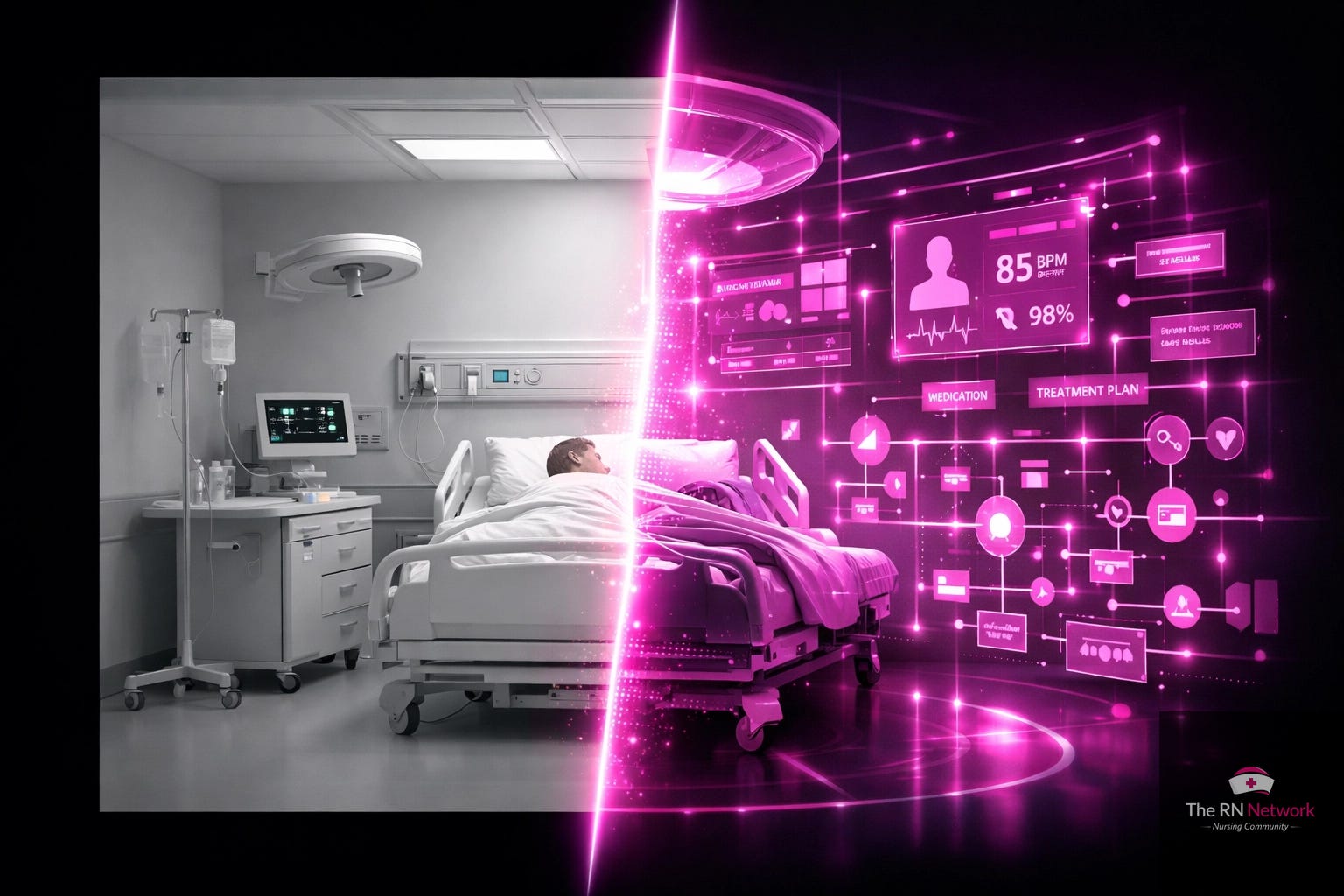
Getting Started Without Getting Overwhelmed
The beauty of building tech skills in 2026 is that you have options: lots of them: designed specifically for working professionals who can’t quit their jobs to go back to school.
Start with free resources to test the waters. Platforms like Coursera, edX, and Khan Academy offer introductory courses in data analytics, SQL, and healthcare informatics. Spend a few hours exploring before committing to anything expensive.
Certificate programs provide focused, practical training without the commitment of a full degree. Many universities and professional organizations offer healthcare informatics certificates that take 6-12 months to complete. These programs teach immediately applicable skills while fitting around your existing schedule.
Master’s programs in nursing informatics represent the gold standard if you’re serious about pivoting your career. Most programs now operate entirely online with flexible scheduling, monthly start dates, and no GRE requirements. Tuition ranges from roughly $1,000 to $1,600 per credit hour, with programs typically spanning 36 credits over two years. Many offer part-time options so you can maintain your current position while studying.
Look for programs that include mentored practicums. These experiences let you apply informatics principles within your current workplace, creating immediate value for your employer while building your portfolio.
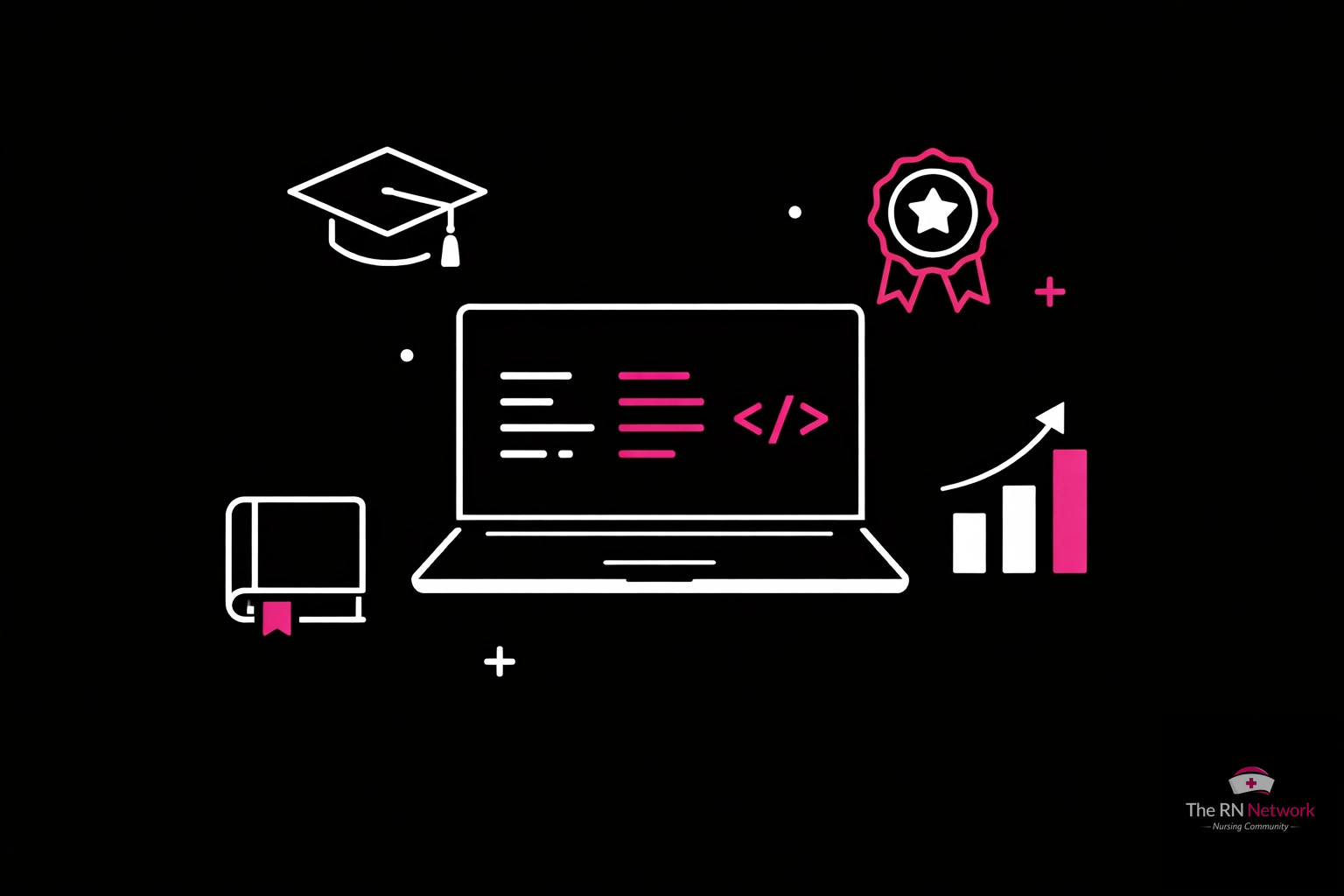
Overcoming the “I’m Not a Tech Person” Mindset
Let’s address the elephant in the room: you’re probably telling yourself you’re not technical enough, not smart enough, or too far into your career to learn something completely new. That’s your imposter syndrome talking, not reality.
You already master complex pharmacology, interpret subtle clinical changes, and make split-second decisions under pressure. Learning SQL is significantly easier than titrating vasopressors or managing a rapid response. The difference is that you’ve internalized clinical skills through repetition, while tech skills still feel foreign.
Most nurses who successfully transition into informatics roles describe the same experience: the first few months feel uncomfortable, then something clicks, and suddenly it all makes sense. The clinical knowledge you already possess provides context that makes technical concepts easier to grasp than they would be for someone without healthcare experience.
Age doesn’t matter. Career stage doesn’t matter. Your comfort level with current technology doesn’t predict your ability to learn new skills. What matters is curiosity and willingness to feel temporarily incompetent while you’re learning.
The Competitive Advantage You Didn’t Know You Needed
Healthcare organizations are desperately seeking nurses who can translate between clinical and technical teams. When IT implements a new system, they need nurses who understand both the technology and the clinical workflow to make it actually work. When administrators analyze performance metrics, they need clinicians who can explain what the numbers really mean.
This hybrid expertise creates job security that pure clinical skills alone can’t provide. Automation might eventually handle routine documentation or medication administration, but it won’t replace the critical thinking required to optimize healthcare technology for better patient outcomes.
Nurses with tech skills command premium salaries because they’re rare. Adding data analytics or informatics expertise to your resume can increase your earning potential by 20-40% compared to traditional clinical roles. Check out the salary database to see real numbers for informatics and data-focused positions.
Beyond money, these skills offer flexibility. Informatics roles typically involve standard business hours, remote work options, and significantly less physical demands than bedside nursing. If you’re thinking long-term about career sustainability, tech skills provide options when your body eventually says it’s time to leave the floor.
Your Next Move
Start small. Pick one skill that interests you and commit to exploring it for 30 days. Watch YouTube tutorials on healthcare data analytics. Take a free SQL course. Attend a webinar about nursing informatics careers.
Connect with nurses already working in tech-focused roles. The RN Network community includes informatics specialists, data analysts, and clinical technology leaders who remember exactly what it felt like to make this transition. Their insights are worth more than any course syllabus.
Document your learning journey. As you develop new skills, track the projects you complete, problems you solve, and knowledge you gain. This portfolio becomes invaluable when applying for informatics positions or negotiating for new responsibilities within your current role.
The Future Looks Bright (Seriously)
Healthcare technology isn’t slowing down, which means the demand for tech-savvy nurses will only intensify. Every new platform, system, or digital health tool requires clinical experts who can guide implementation, train staff, and optimize workflows.
You’re not too late. You’re not too old. You’re not too clinically focused. You’re exactly what healthcare technology needs: someone who understands patient care deeply enough to ensure technology serves people, not the other way around.
The intersection of nursing and technology isn’t about replacing human connection with algorithms. It’s about using smart tools to enhance your ability to provide excellent care, reduce administrative burden, and create healthcare systems that actually work for patients and providers alike.
Your clinical expertise is valuable. Your clinical expertise plus tech skills? That’s a career game-changer. The question isn’t whether you should develop these competencies: it’s what you’re waiting for.
Ready to explore what’s possible when you combine compassionate care with cutting-edge skills? Check out coaching resources for personalized guidance on mapping your unique path forward. The future of nursing is digital, and there’s absolutely room for you in it.